
Mobile coating · on-site coating repairs
Mobile coating and on-site coating repairs at your premises
When a steel structure or process assembly cannot be moved to our facility, we carry out the coating or repair directly at your site.
Send us photos and a brief description of the damage. We assess whether an on-site visit is suitable based on substrate condition, access to the structure and conditions on site.
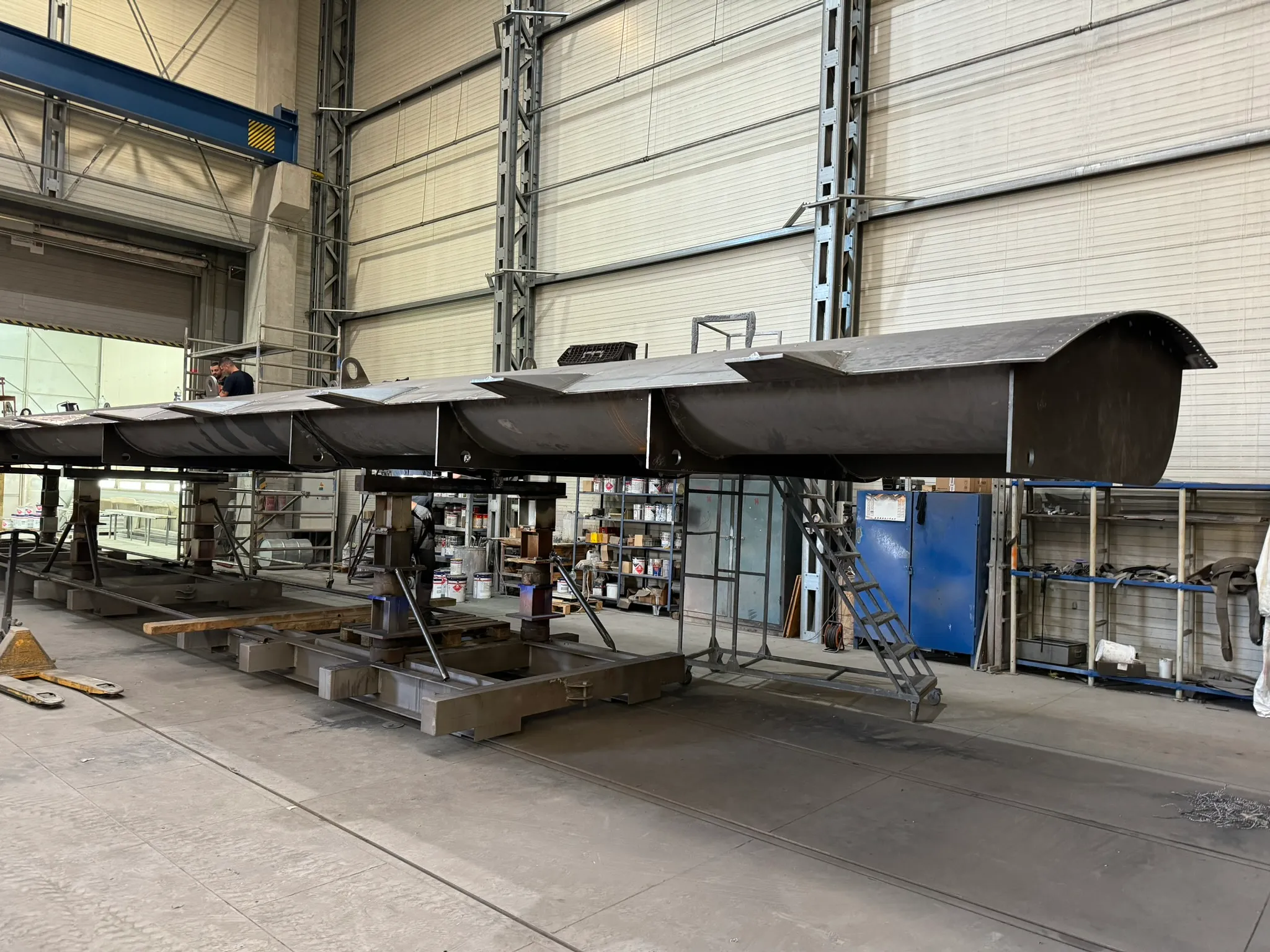
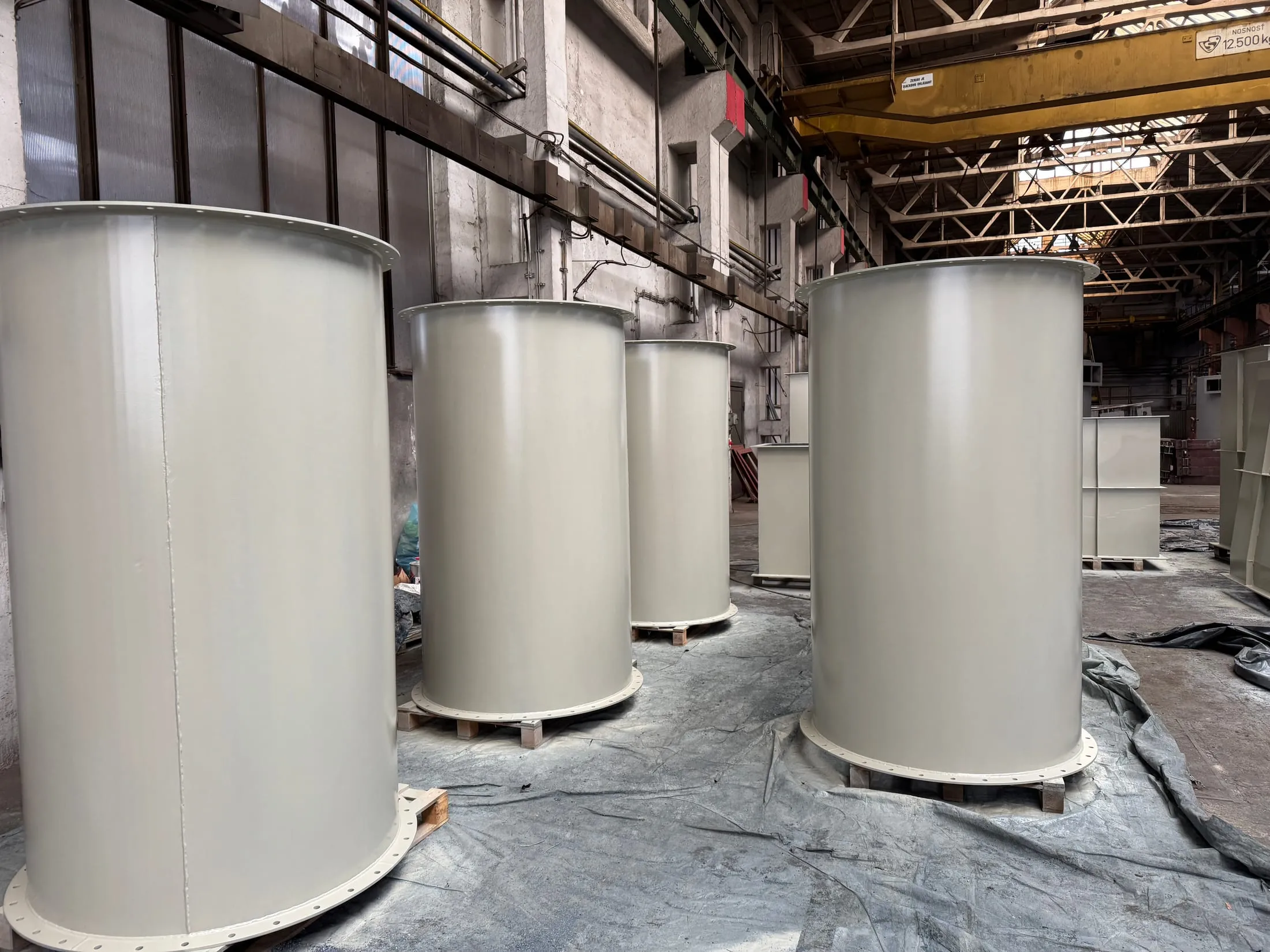
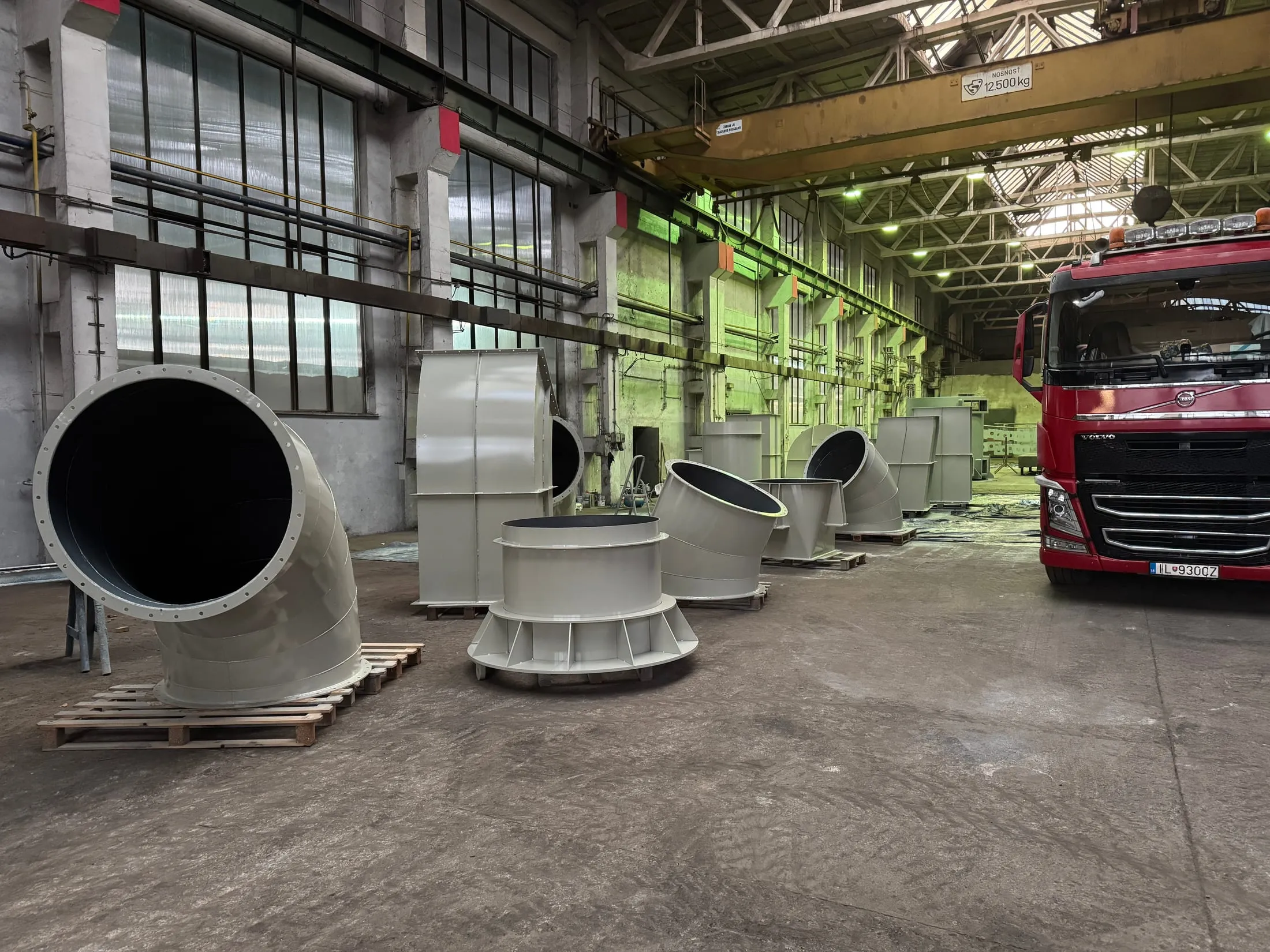
Steel structure before coating in an industrial hall.
Work directly at the customer
What we address directly at your site
We use mobile coating when the structure stays in place and moving it to the paint shop would be unnecessarily demanding or technically impossible.
A mobile solution may be suitable for example when:
- local coating damage after assembly, handling or trial operation,
- adding a protective coating to installed or hard-to-move assemblies,
- repairing the coating system when the part no longer makes sense to return to the paint shop,
- situations where work must be coordinated with running production and the surroundings protected from dust and overspray.
Technical assessment on site
How we assess work on site
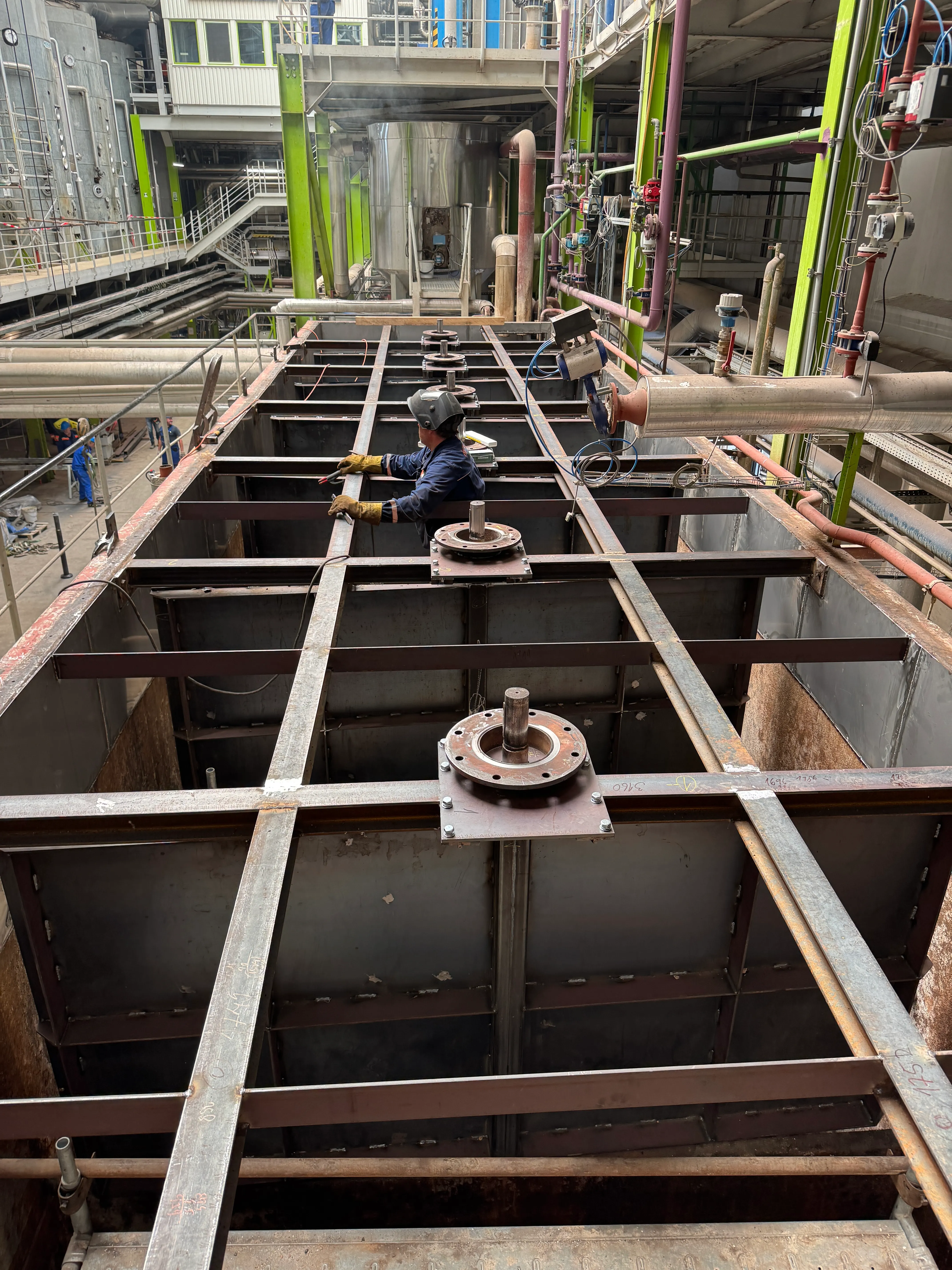
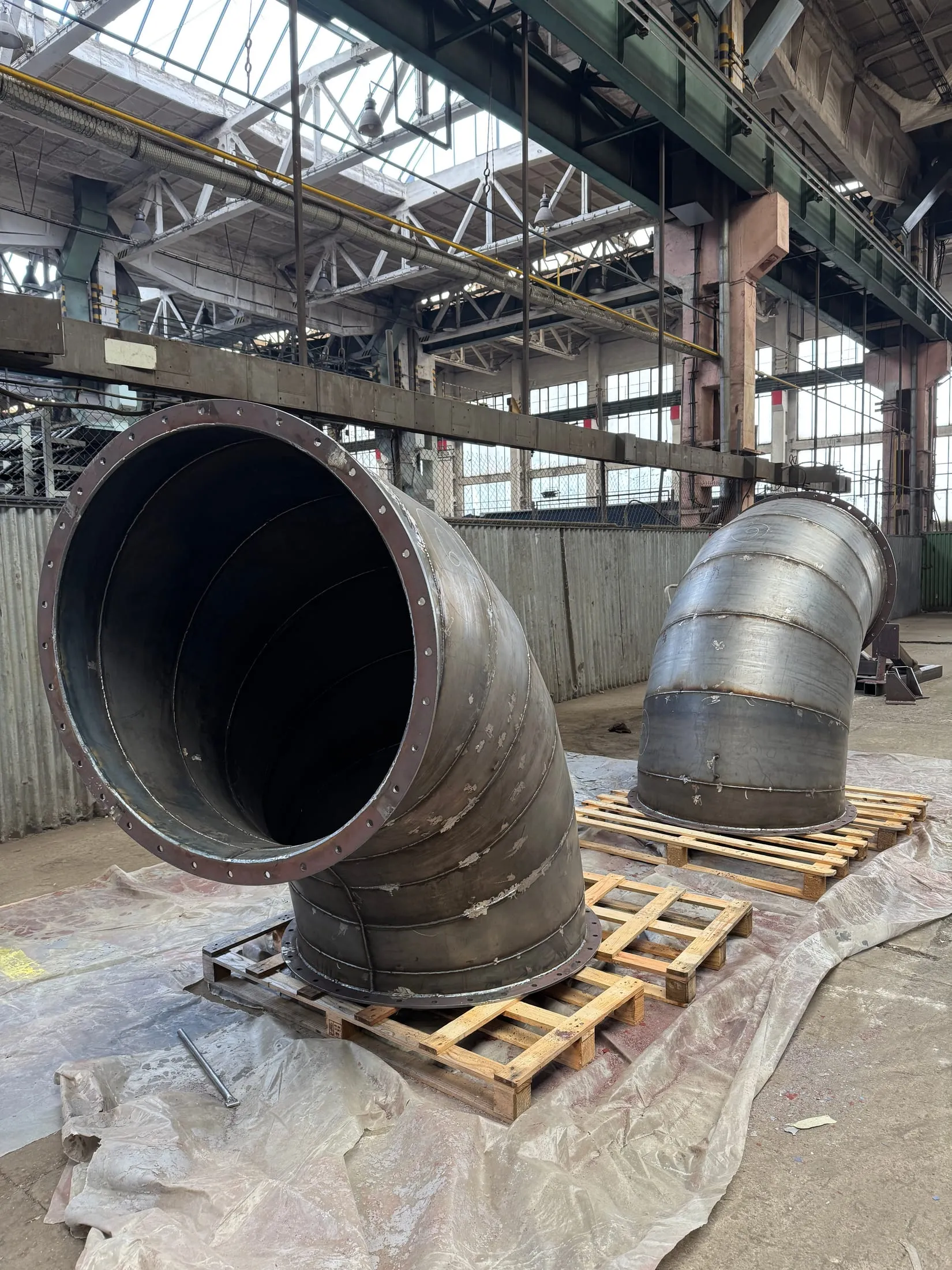
On-site work is not decided by area alone, but also by substrate condition and technical detail. Before we start, we assess whether the surface is in a state where the planned coating system will last over time.
In our assessment we focus mainly on:
- Critical points
- Edges, welds and joints are where coating damage most often starts — we therefore give them particular attention.
- Substrate condition
- We assess whether loose layers, corrosion or contamination need to be removed — and to what extent site conditions allow it.
- Tie-in to existing system
- The repair must be compatible with the existing coating system per project — the aim is not merely to cover damage, but to restore its protective function.
- Protection of surroundings and access
- Work in a running facility is possible if the work area can be separated and adjacent surfaces protected from dust and overspray.
If site conditions do not allow a technically reliable approach, we will say so and propose another solution.
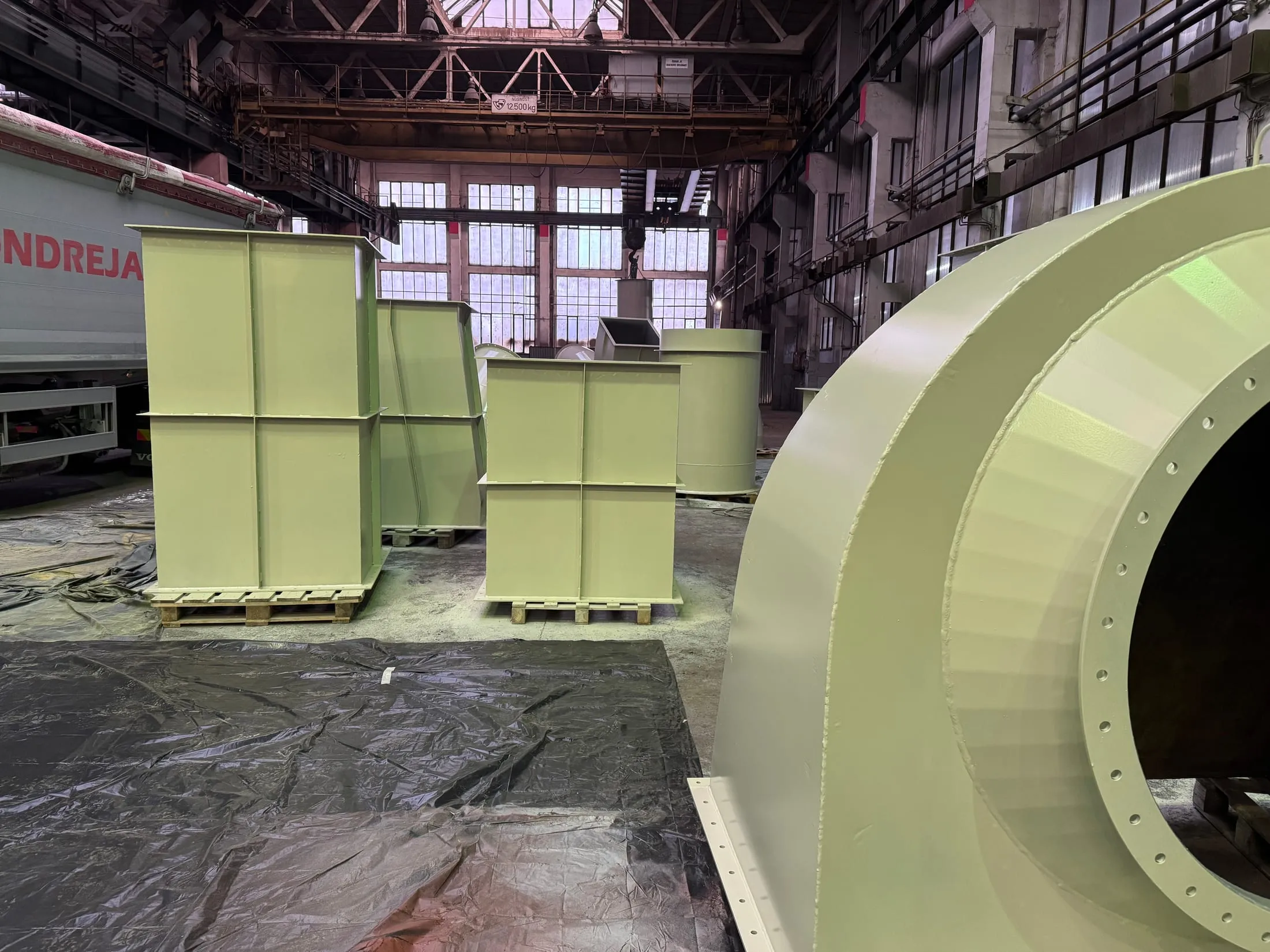
Before we start
Preparing work on site
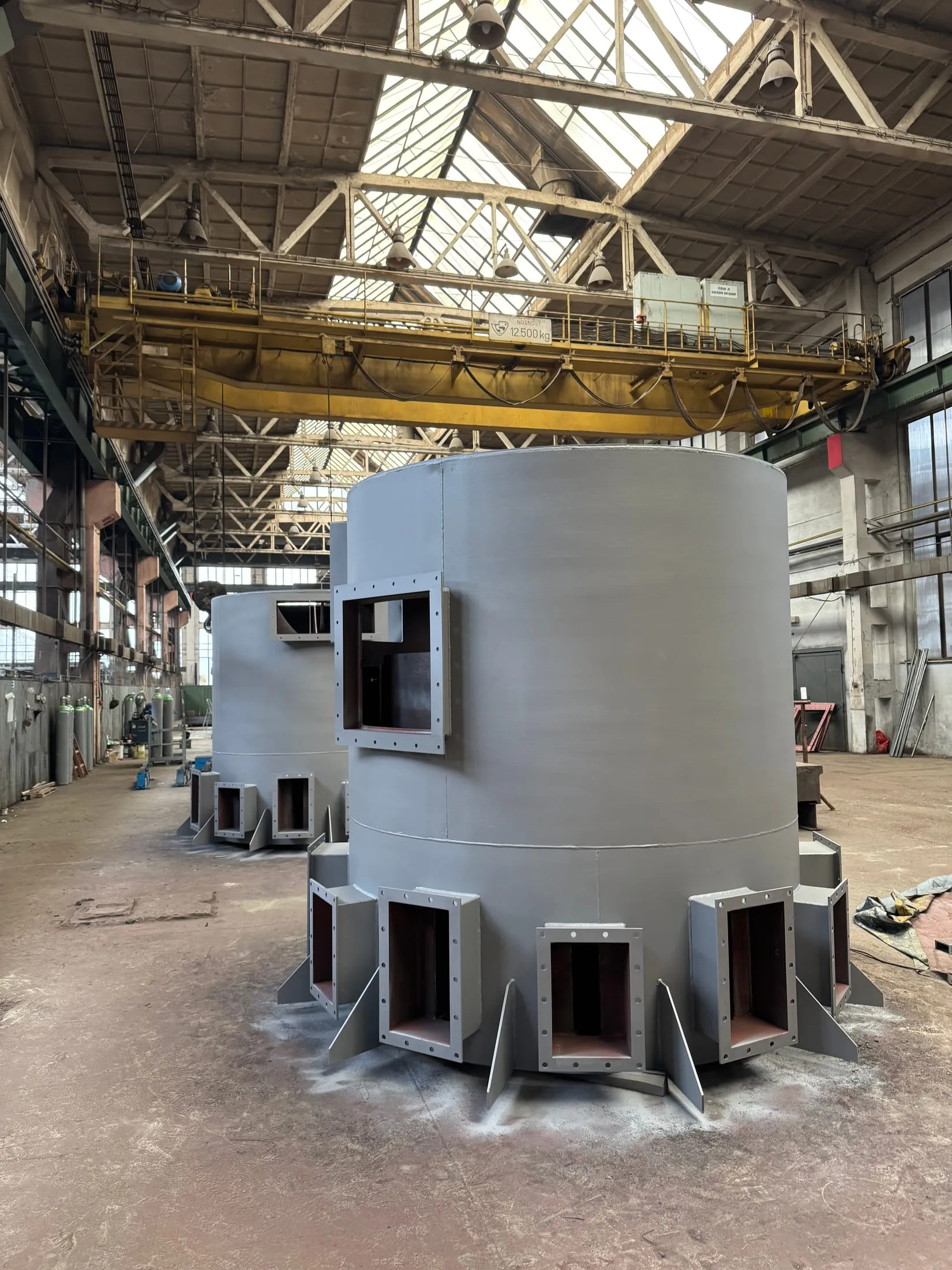
We use mobile coating mainly to renew existing coating systems directly at the customer, when it is not practical or possible to move the part or structure to our facility. Whether an on-site visit is suitable depends on surface condition, extent of damage, access to the structure and conditions on site. If in-shop processing is a better fit for the job, we assess carrying it out at our facility in Dubnica nad Váhom.
Before we start, we confirm access to the repair area, options for protecting the surroundings and how we align work with the customer\'s running operations. Photos and a brief description of scope help us prepare an exact procedure and schedule.
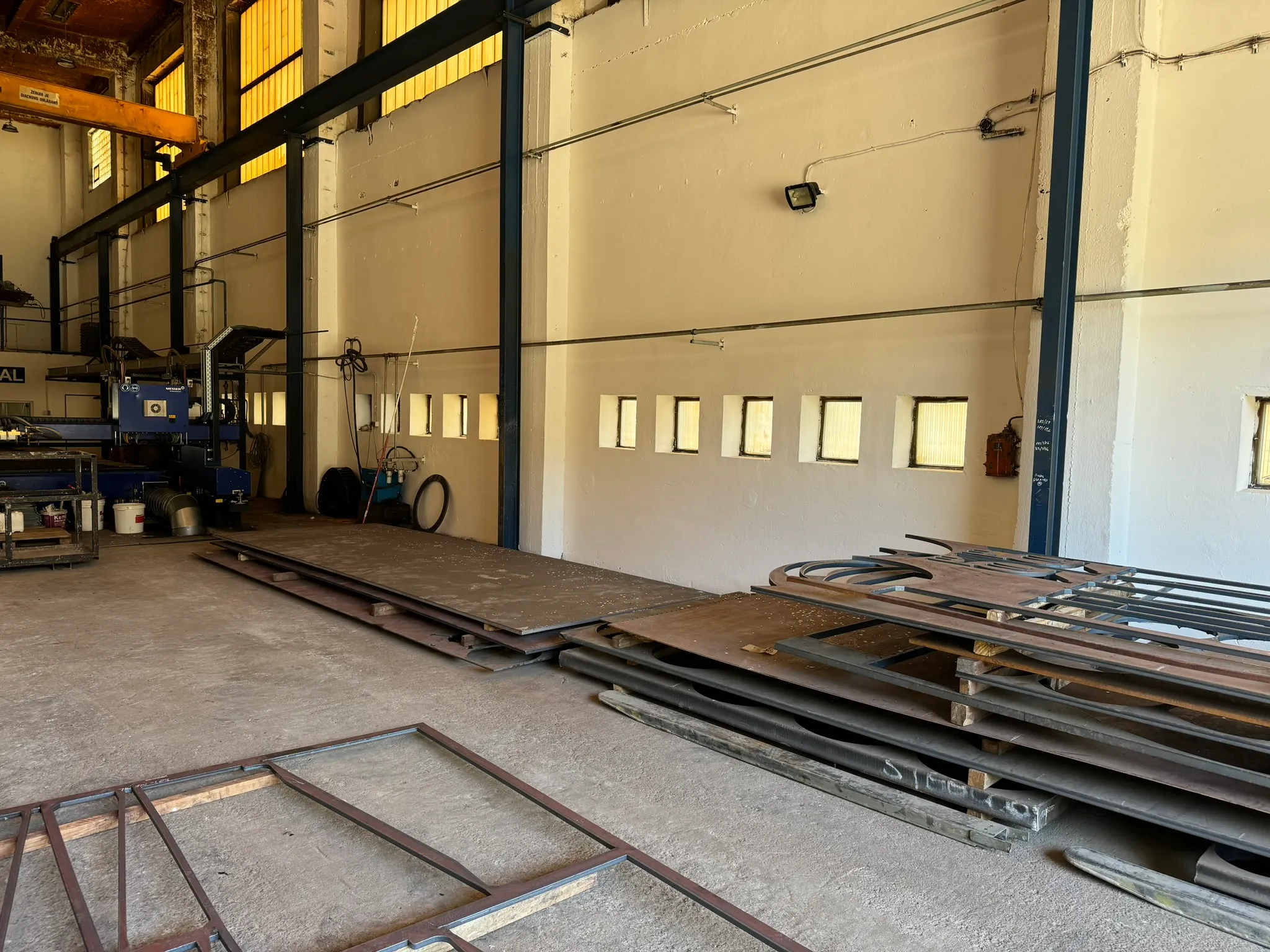
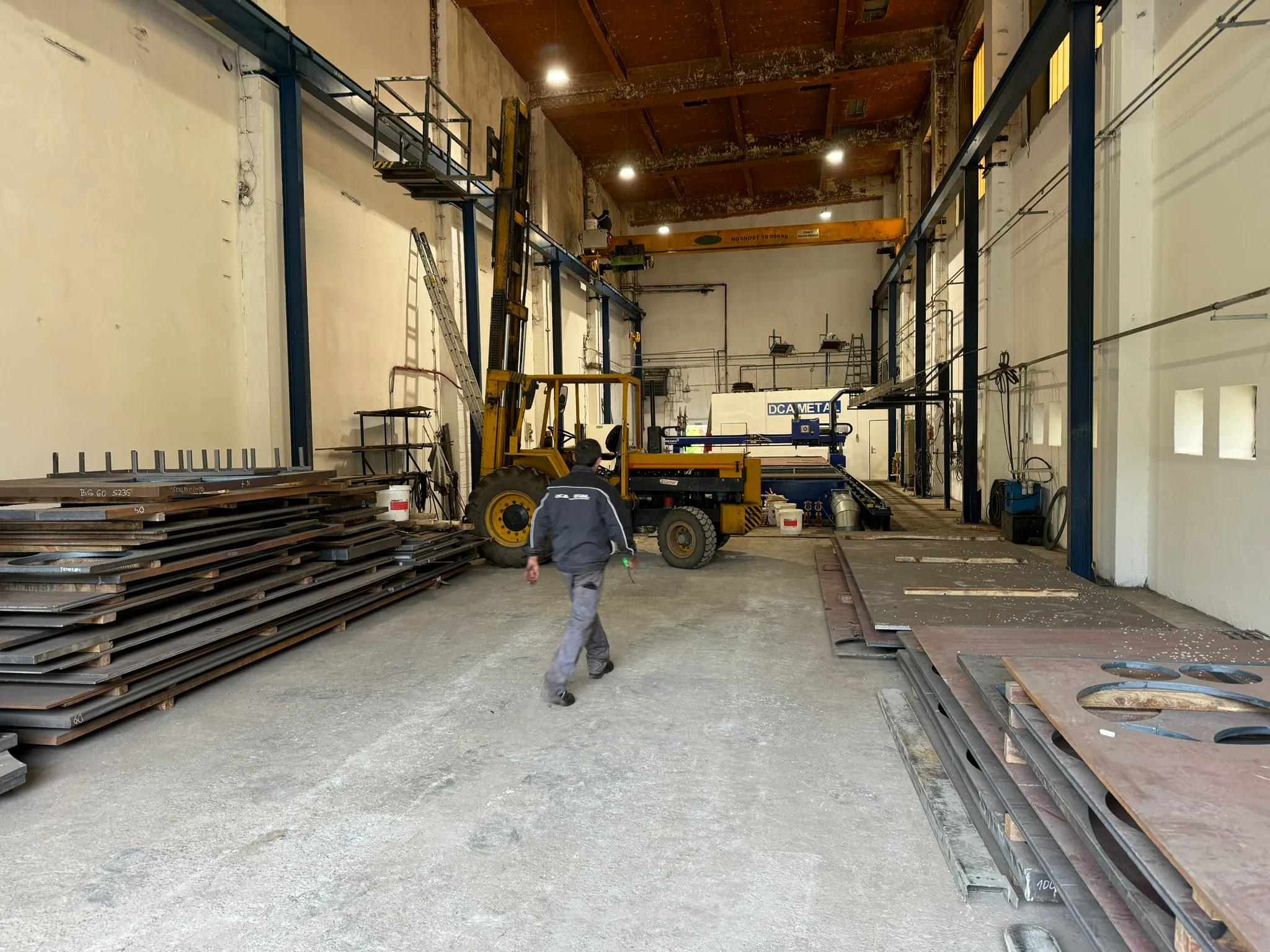
Quick entry into the job
What we need for assessment
The more precise the documents you send, the faster we can determine scope, risks and next steps.
Ideally send us:
Decision and procedure
Frequently asked questions
Do you carry out coating and coating repairs directly on the customer's premises?
Yes. We carry out mobile coating and local coating repairs at your site — according to substrate condition, site access, options for protecting the surroundings and project requirements. Once we receive your documents, we will propose a procedure or tell you which alternative makes more sense.
What most affects coating quality when working on site?
Substrate condition, access to critical points such as edges, welds and joints, the ability to protect the surroundings, and whether the repair ties into the existing coating system. Without these factors, good appearance over a large area is not a guarantee of a technically sound result.
What happens after you send us the documents?
We assess the scope of work and conditions on site, propose the next steps, and say whether this is on-site work, processing at our facility, surface preparation, renewal, or whether we need further documents from you.