
Surface preparation before coating
Blasting and surface preparation before coating
For a coating system to perform as intended, it needs a suitably prepared substrate. Blasting — more precisely abrasive blasting — is one way to prepare a steel surface before coating so the next coating step can build on it.
Before application we assess part condition, the intended system and project requirements. The goal is not blasting at any cost, but preparation that makes technical sense for the specific case.
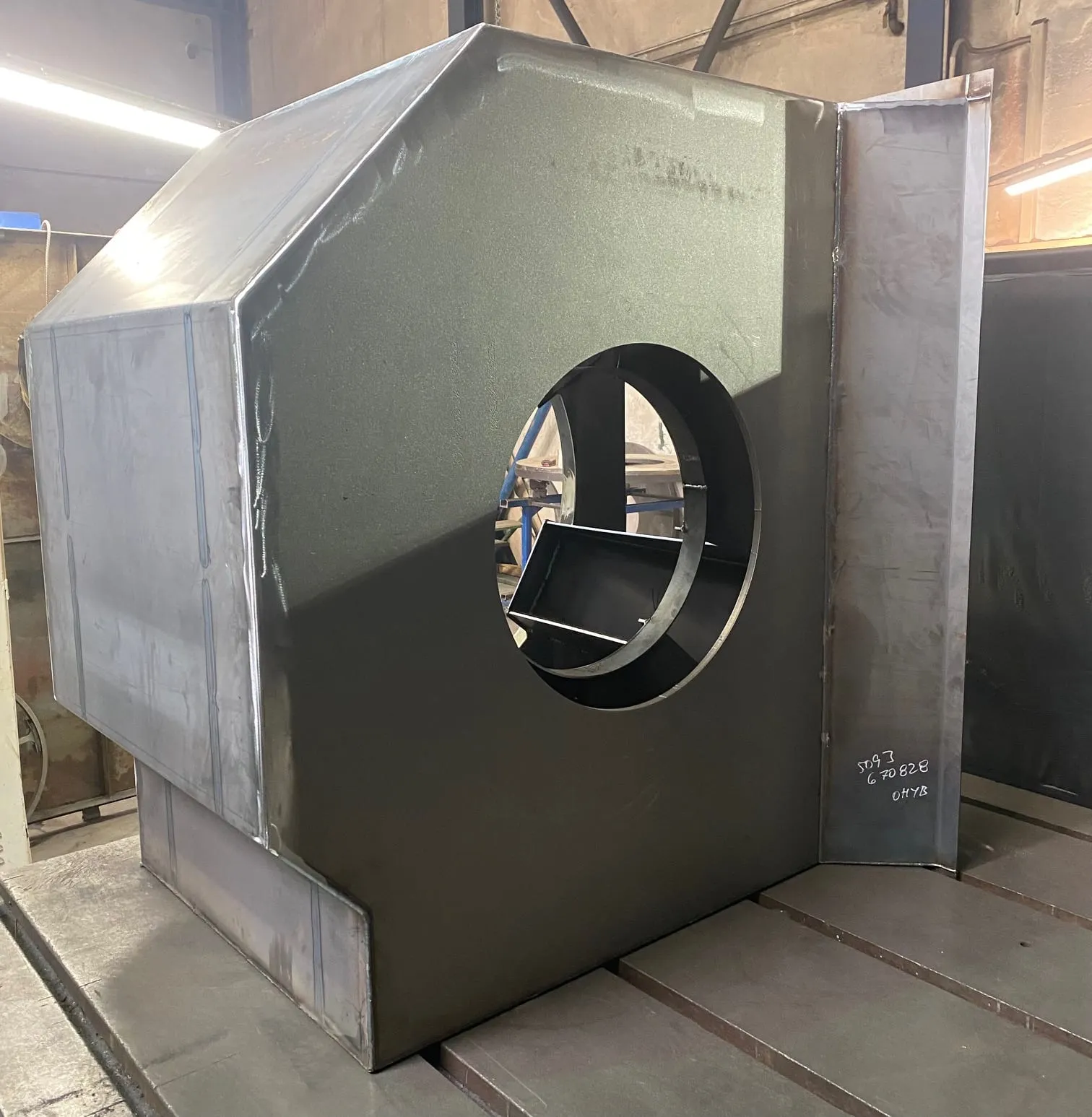
Smaller steel part after in-house abrasive blasting at LAKES before coating.
Substrate before the coating system
Why substrate condition matters before coating
A new coating will not fix a problem left underneath. If corrosion products, mill scale or poorly bonded old layers remain on the surface, adhesion and system behaviour can weaken — and the issue may not be visible immediately after application.
Surface preparation before coating is therefore not a cosmetic step. It is about whether the system has the conditions to bond properly and perform in the intended environment. A visually cleaner surface alone does not mean the substrate is technically ready for the specific coating system.
Surface preparation is a broader concept than blasting alone and, depending on part condition and project requirements, can involve several steps.
Method decision
When abrasive blasting makes sense
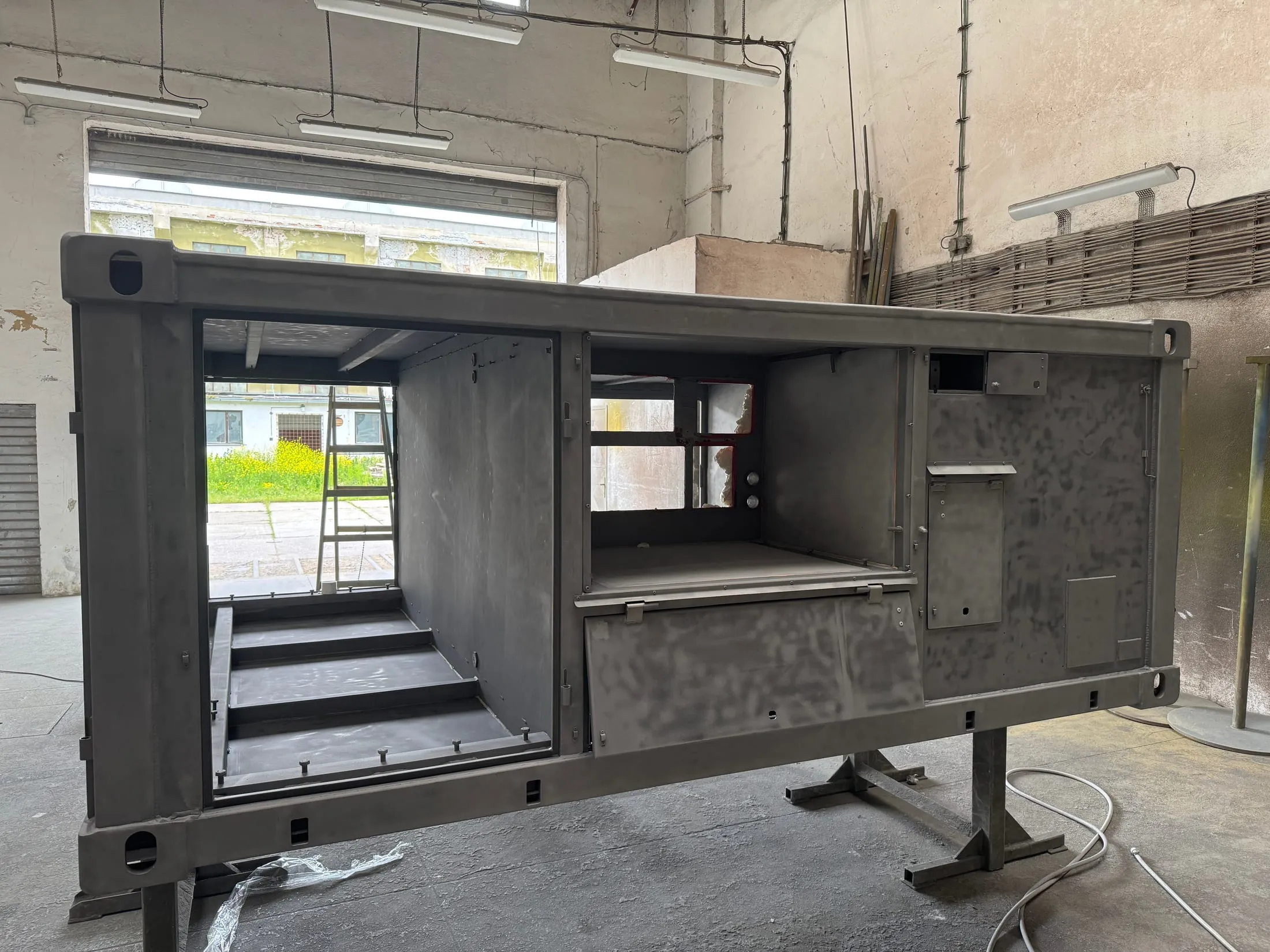
Abrasive blasting — often called sandblasting in everyday practice — makes sense when the substrate condition requires removal of corrosion products, mill scale or poorly bonded old layers before applying a new system. The right method depends on substrate condition, existing coating, contamination, part geometry, the intended coating system and project requirements.
Abrasive blasting is not automatically needed for every coating job. With a thin or well-bonded coating, local damage, limited access or a requirement for a gentler approach, another preparation route may be more suitable. For renovations of old or damaged coatings, the overall scope of renewal also matters — we develop that logic on theRenovácia náterov page.
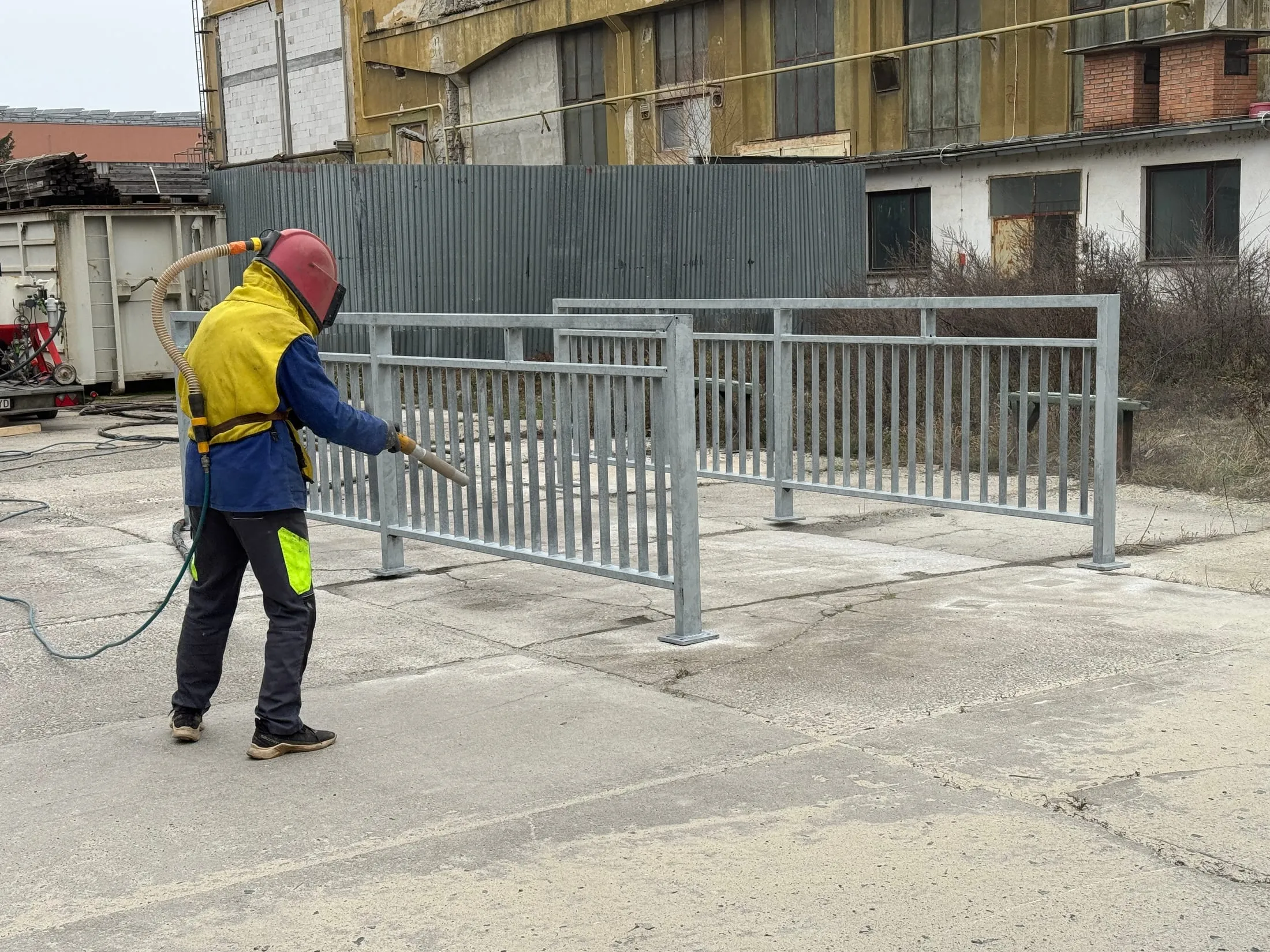
Blasting alone does not guarantee coating life. It creates conditions for the next step; the outcome depends on follow-on preparation, the chosen system and project-based control.
Scope of preparation
What we prepare in-house and how we handle larger parts
We prepare smaller parts by abrasive blasting in an automated booth. The indicative maximum for a suitable part is approximately 1 500 × 1 500 × 1 500 mm and weight up to 250 kg. These figures describe an indicative maximum for suitable parts, not the internal dimensions of the equipment.
Even within these indicative limits we assess suitability individually — by geometry, shape, accessibility of all surfaces and the possibility of safe handling, loading, positioning and processing of the part in the equipment. Indicative dimensions are therefore not an automatic guarantee that every part can be processed in the same way.
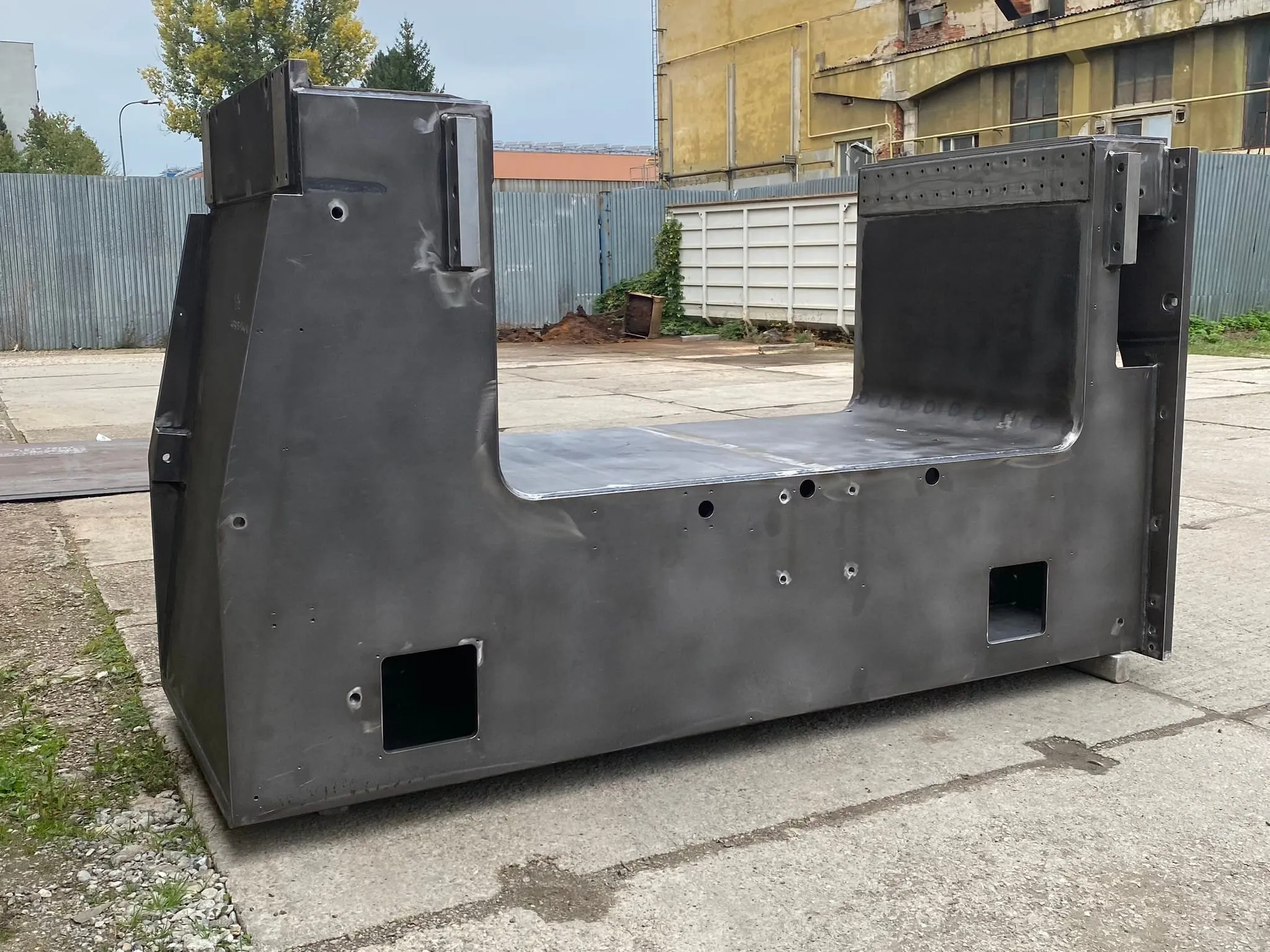
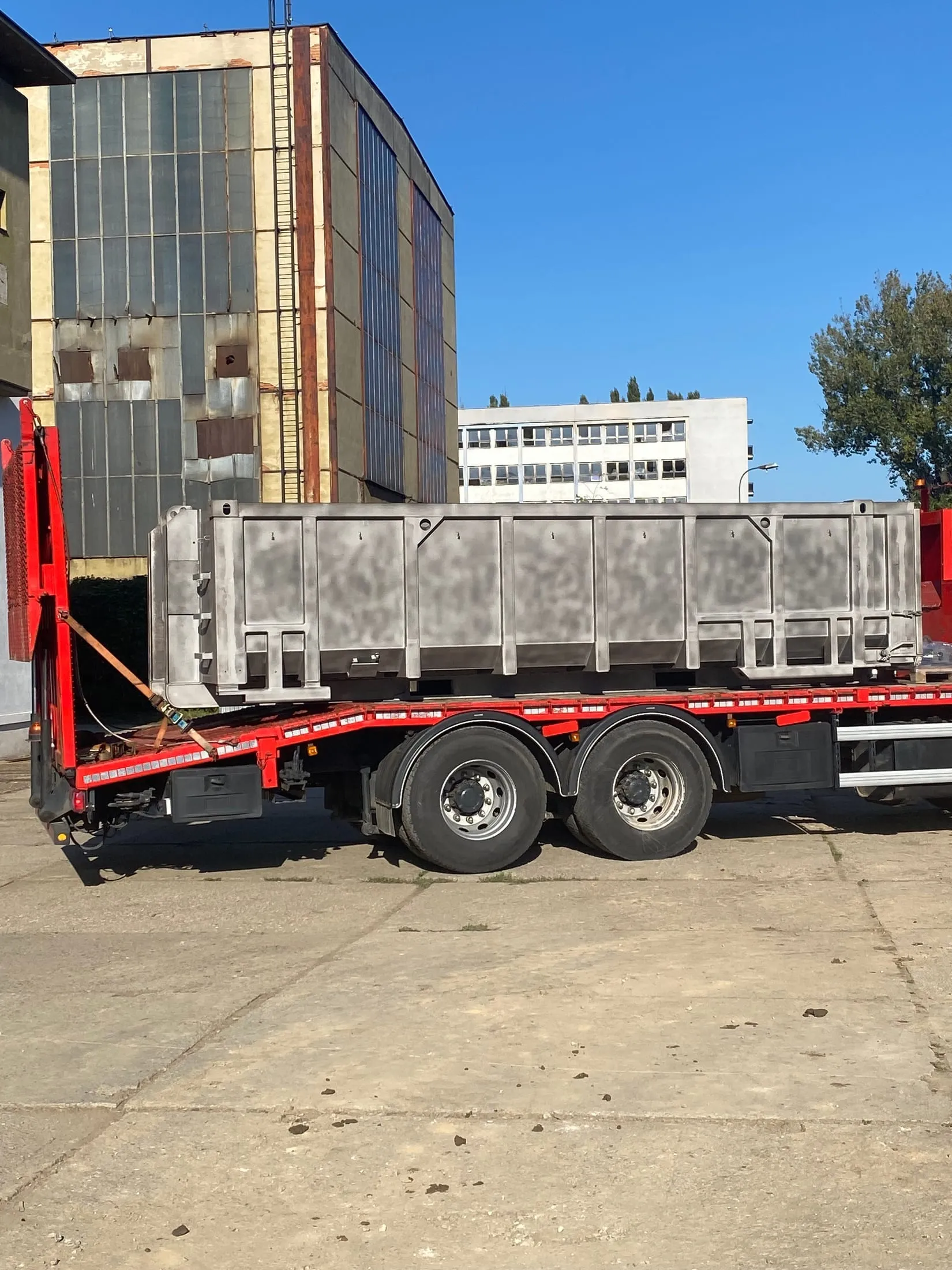
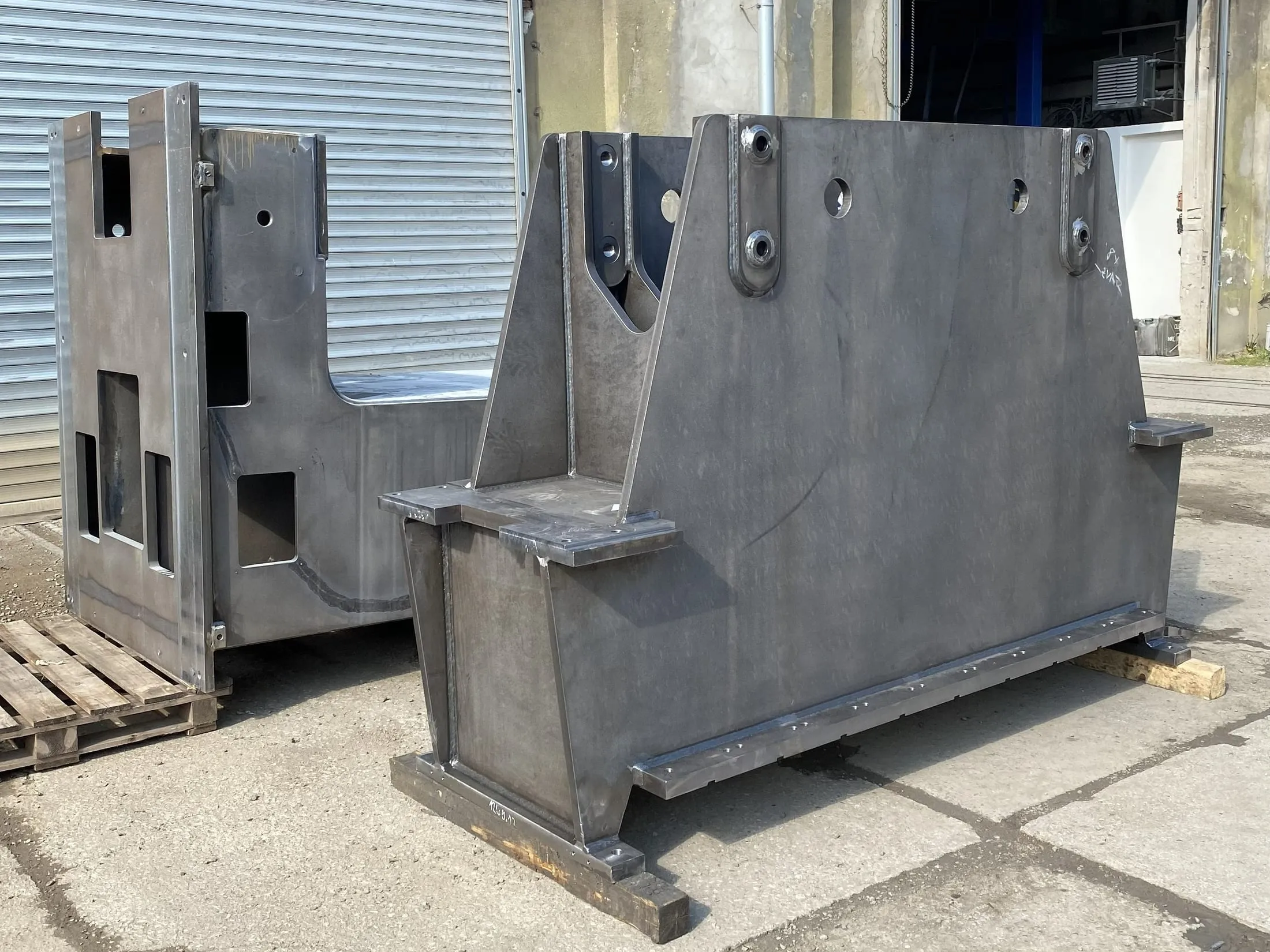
In-house abrasive blasting is intended for smaller parts suitable for processing in the booth. For larger parts the customer supplies a prepared surface, or by agreement and according to project requirements we arrange an external blasting contractor.
Initial assessment
What to send for surface preparation assessment
Brief details are enough for an initial assessment. From them we can estimate whether in-house preparation of a smaller part is suitable, whether another preparation route is needed and how preparation should connect to coating.
The full checklist and contact process are on theKontakt page.