Renovation is not just a new topcoat
A new coating must bond to a suitable substrate. If old layers do not adhere, peel off or prevent adhesion, another layer will not solve the problem — it may only temporarily conceal it.

Anticorrosion protection · restoration of damaged coating
When the coating on a steel part, structure or container is damaged or corrosion appears, the first step is to assess whether it makes sense to retain the part and restore its protection. Timely renovation can help halt further deterioration, restore the anticorrosion function of the coating and its appearance — if the part is still suitable for continued use.
Why it matters
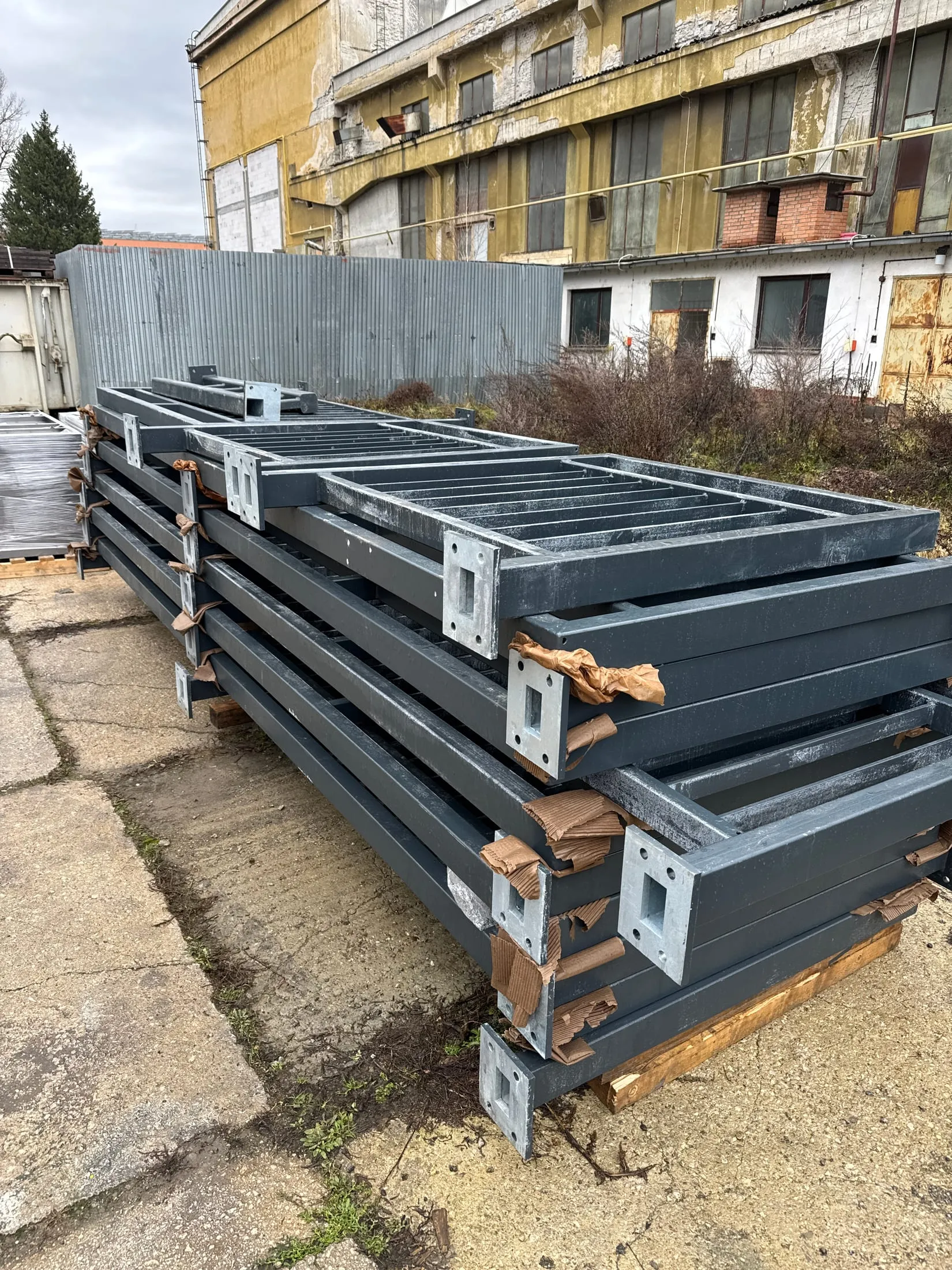
A damaged coating stops fulfilling its protective function. Corrosion can continue through cracks, peeling or worn areas — this is not just a surface appearance issue.
Early intervention can limit the scope of repair and coating system restoration. Delayed maintenance often increases the scope of work and can reduce the chance that the part can still be reasonably retained.
If the part still makes sense to retain, renovation can in some cases be more reasonable than replacement — the extent of damage, steel condition and whether the damage remains addressable by repair and coating restoration are decisive.
The right procedure is determined only after assessing coating, substrate and damage condition — not automatically by part type or how the surface currently looks.
Core principle
Coating renovation is restoration of the coating system on an existing steel part. The aim is to restore anticorrosion protection and surface appearance — not to apply a new layer onto an unsuitable substrate.
First, the condition of the coating, substrate and damage must be assessed. Based on that, it is determined which layers still make sense to retain, which must be removed and what scope of restoration is technically appropriate. Not every case is suitable for renovation.
A new coating must bond to a suitable substrate. If old layers do not adhere, peel off or prevent adhesion, another layer will not solve the problem — it may only temporarily conceal it.
In practice, this means restoring the coating system according to part condition, service environment and project requirements. The scope of intervention can range from local restoration to complete layer renewal — based on assessment of the actual condition.
The condition of the original coating determines the next step.
When it makes sense
Renovation makes sense when a steel part, structure or container is still suitable for continued use and the problem lies mainly in coating failure — not in loss of load-bearing capacity, structural deformation or corrosion that already exceeds reasonable surface restoration.
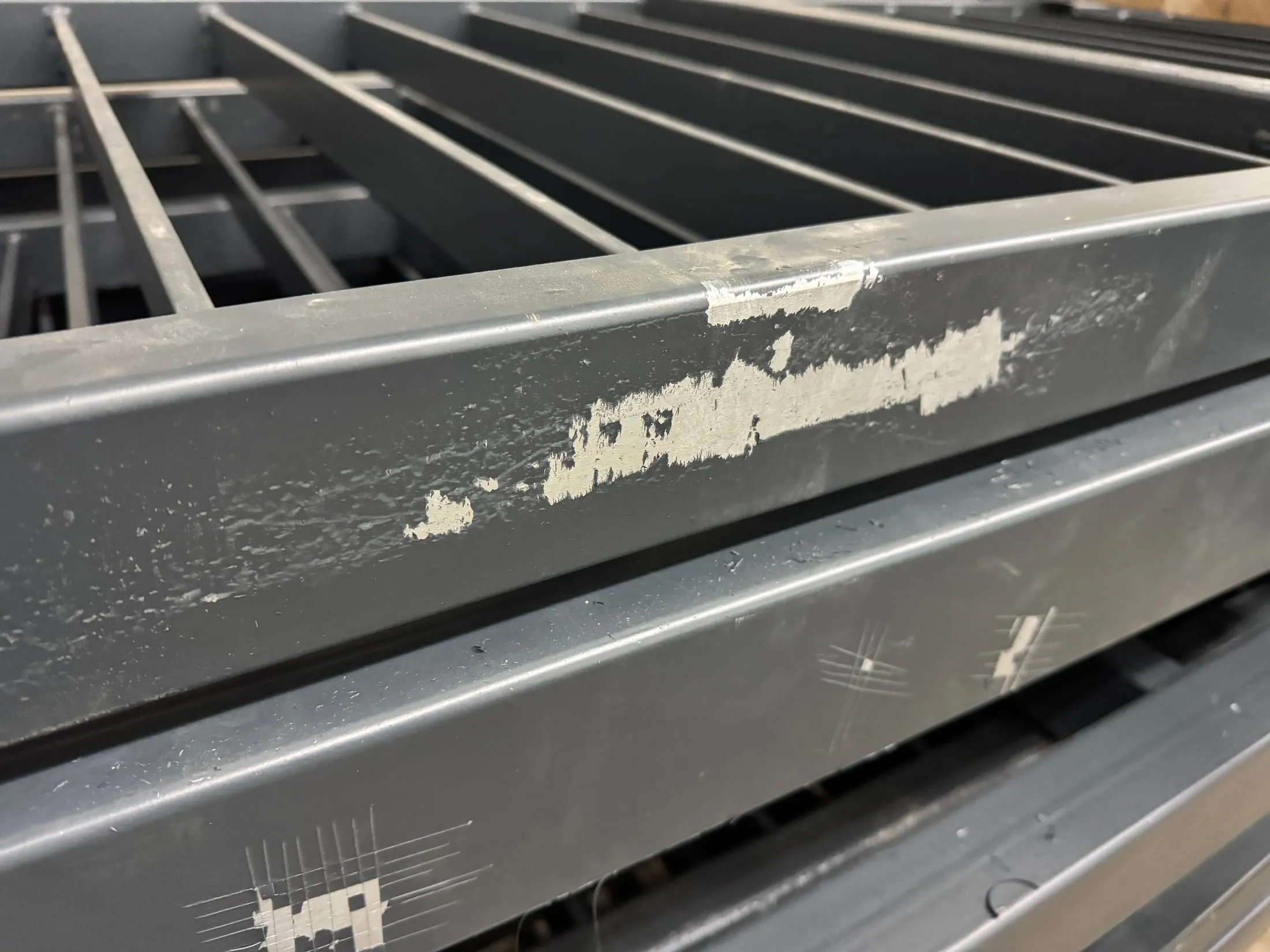
Peeling, cracks, worn coating, surface corrosion or colour degradation mean the protective function of the coating no longer works. If the damage is still within a scope that can be addressed by coating system restoration, renovation can be a suitable step.
If the part still has technical and operational value, coating restoration can help extend its service life without replacement. The decision depends on whether the damage remains addressable by repair and coating restoration — not on the age of the part alone.
Renovation can address anticorrosion protection, visual restoration or appearance harmonisation — for example on containers, structures or visible corporate elements. The coating system must be selected according to environment and required outcome.
Scope boundary
Not every part is worth renovating. If the problem lies in the structure itself, the extent of corrosion or deformation beyond reasonable coating restoration, a new coating system will not solve it. In such cases, part replacement or structural repair outside the scope of coating renovation may be more appropriate. LAKES does not manufacture replacement parts or structures.
If the steel structure or part is damaged beyond the surface, deformed or technically unsuitable, coating renovation may not be a reasonable solution — regardless of which coating is proposed.
Deeper or extensive corrosion, loss of load-bearing capacity or damage to critical areas may require part replacement or structural intervention — not just a new coating. In such cases, it must be assessed whether investing in coating restoration still makes sense.
The right procedure is chosen only after assessing the actual condition of the part and the objective of the intervention. If assessment shows that renovation does not make sense, another route must be chosen — for example part replacement or another type of intervention according to the extent of damage.
Scope and cost
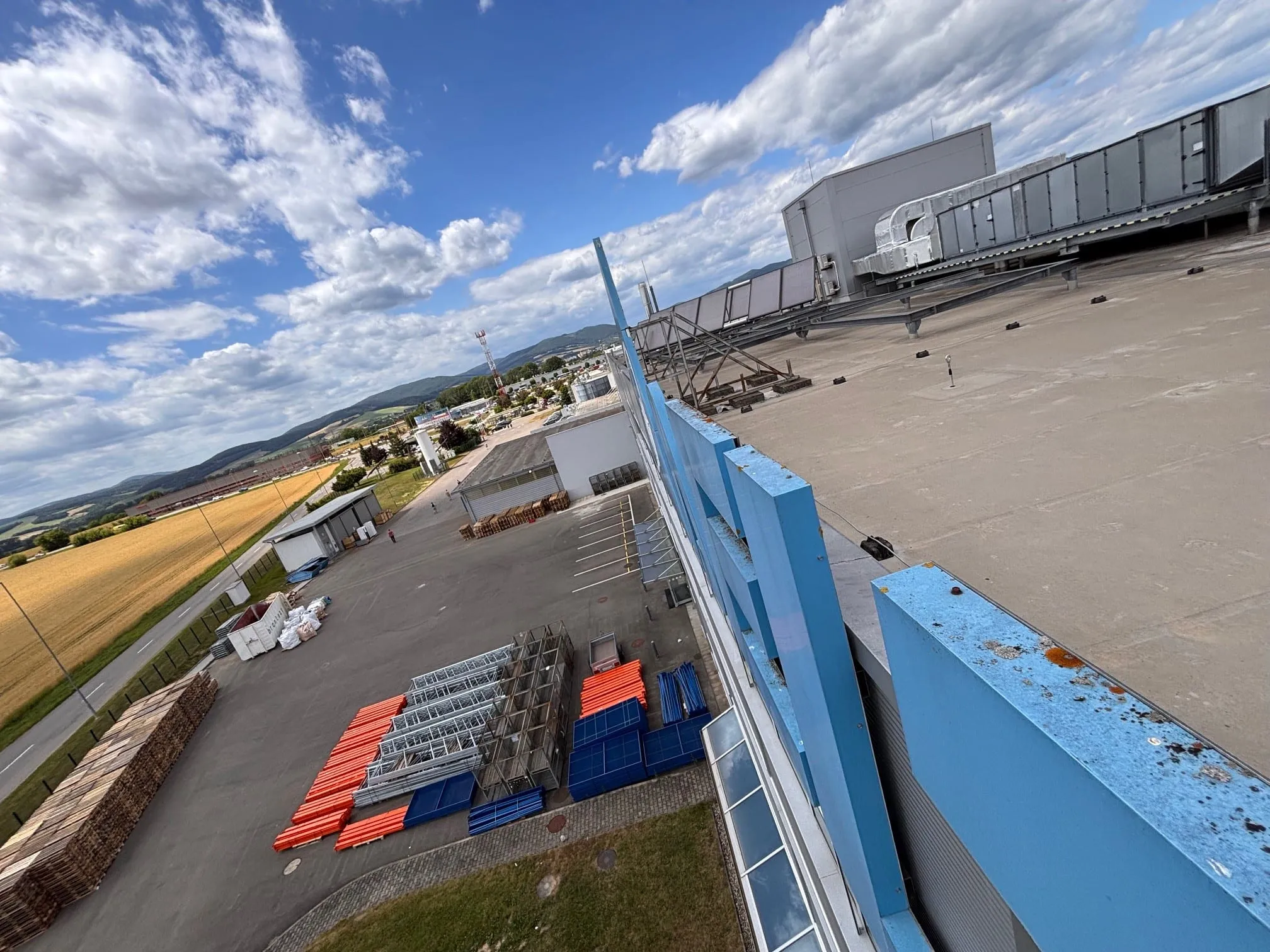
The scope of renovation is not determined by part type but by its condition. After assessment we determine whether it is local restoration, a broader intervention or complete coating system renewal. Logistics also affect cost and scope — whether the part can be delivered to thefacility in Dubnica nad Váhom, how it can be handled and whether on-site execution should be assessed.
Adhesion of old layers, extent of peeling, surface corrosion and which layers still make sense to retain are decisive. The more extensive the damage, the greater the scope of repair and restoration usually required.
Service environment demands, project technical specification and required final appearance affect surface preparation and the composition of the new coating system. The same part in an interior and in a demanding exterior may require a different procedure.
Most renovations are carried out at the facility after the customer delivers the part. If transport is not practical or the structure is fixed on site, it must be assessed whether execution directly at the customer is suitable — for example viamobile coating. Dimensions, access and handling method affect job planning.
Technical process
After assessing part condition, surface preparation, removal of unsuitable layers, coating system application and final inspection follow. The specific procedure differs by part type, extent of damage and project requirements.
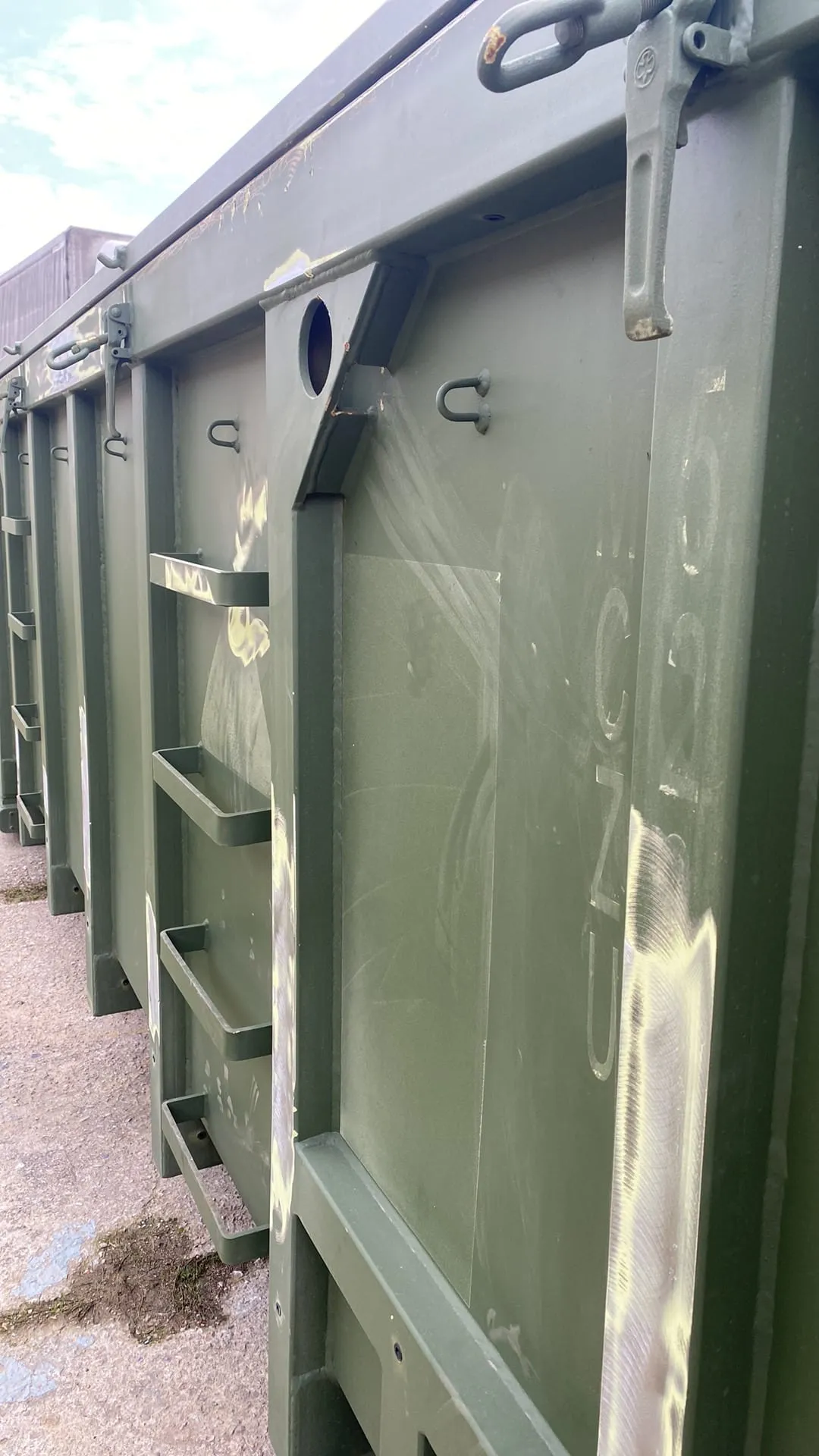
Photos and basic data help with initial orientation. Final scope of intervention is determined only after inspection of the actual part condition, agreement on procedure and project requirements.
Layers that do not adhere or prevent adhesion are removed. Depending on part condition, this may be followed by abrasive blasting. Adherent layers may remain where technically appropriate and where the new system can reliably bond to them.
The surface is prepared so the new coating system can bond correctly. Depending on part condition, critical areas — edges, welds and corners — where coating most often fails are also addressed.
Layer composition is set according to service environment, technical specification and required outcome. We select the system per project — not according to one universal recipe for all parts.
Final visual inspection is part of the work. DFT measurement or documented checks are added per project, technical specification or job requirements.
From practice
Every job is different — part condition, extent of damage and required outcome are decisive. Below are three situations we encounter in practice when renovating coatings.
Containers
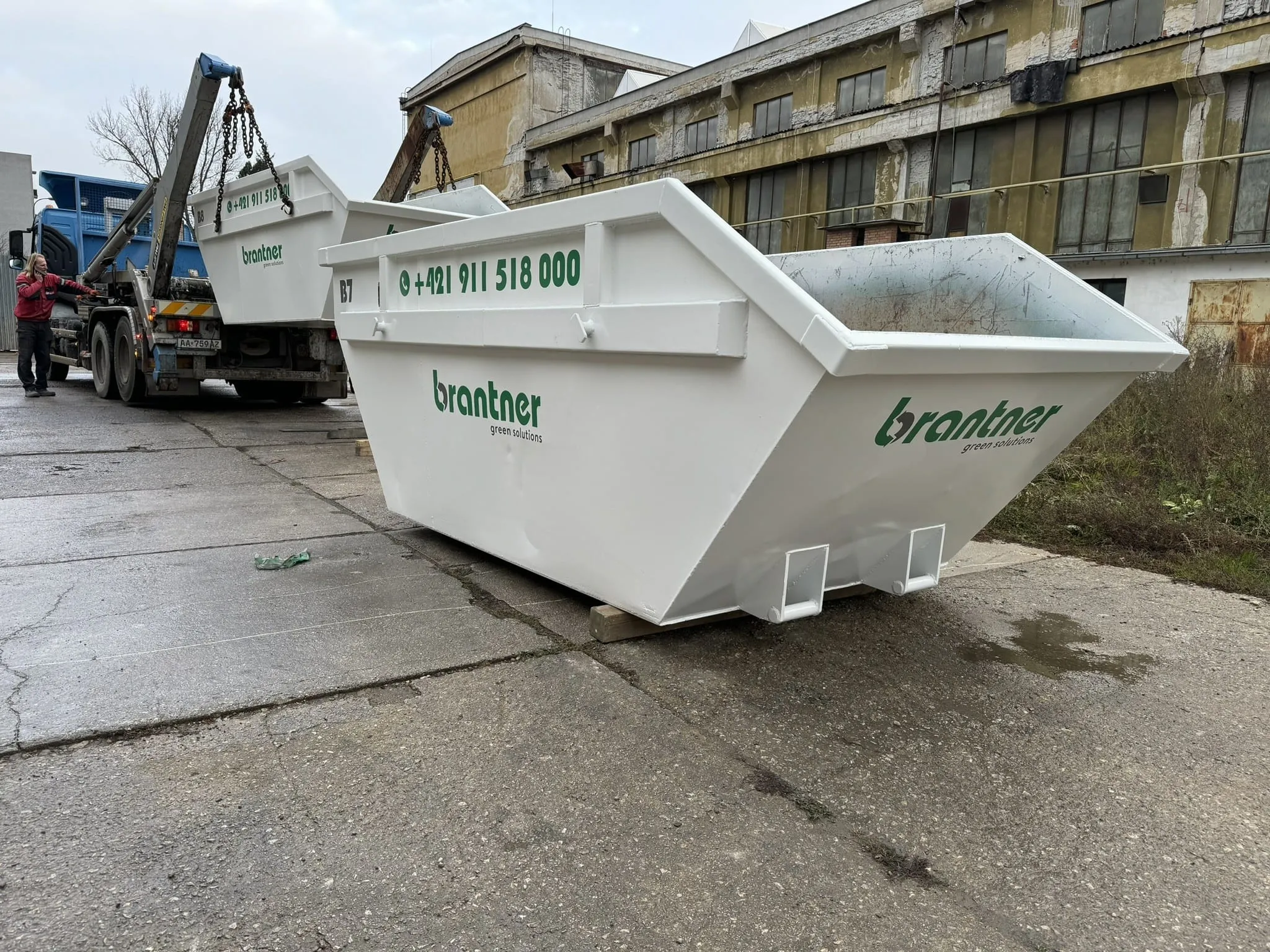
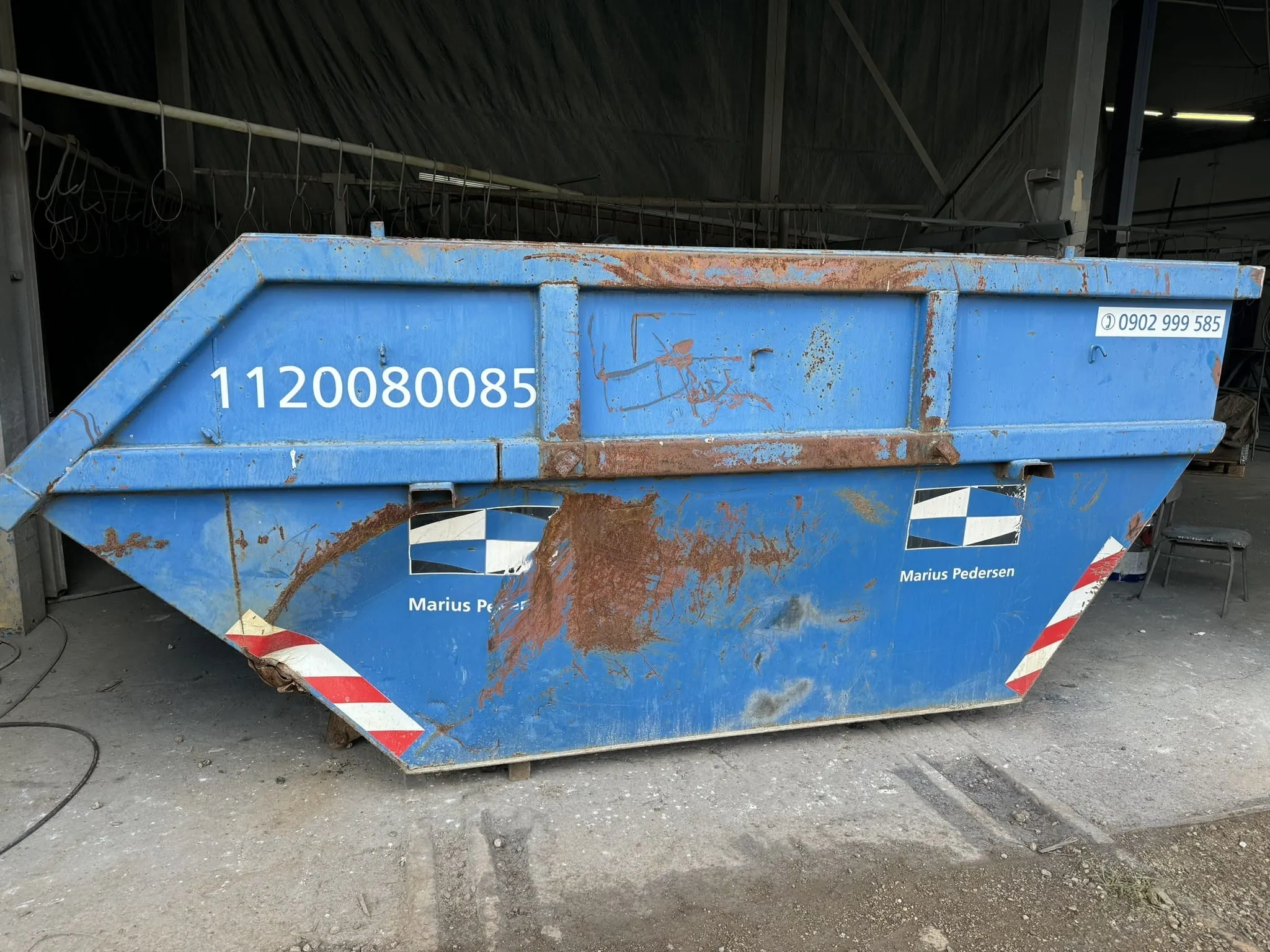
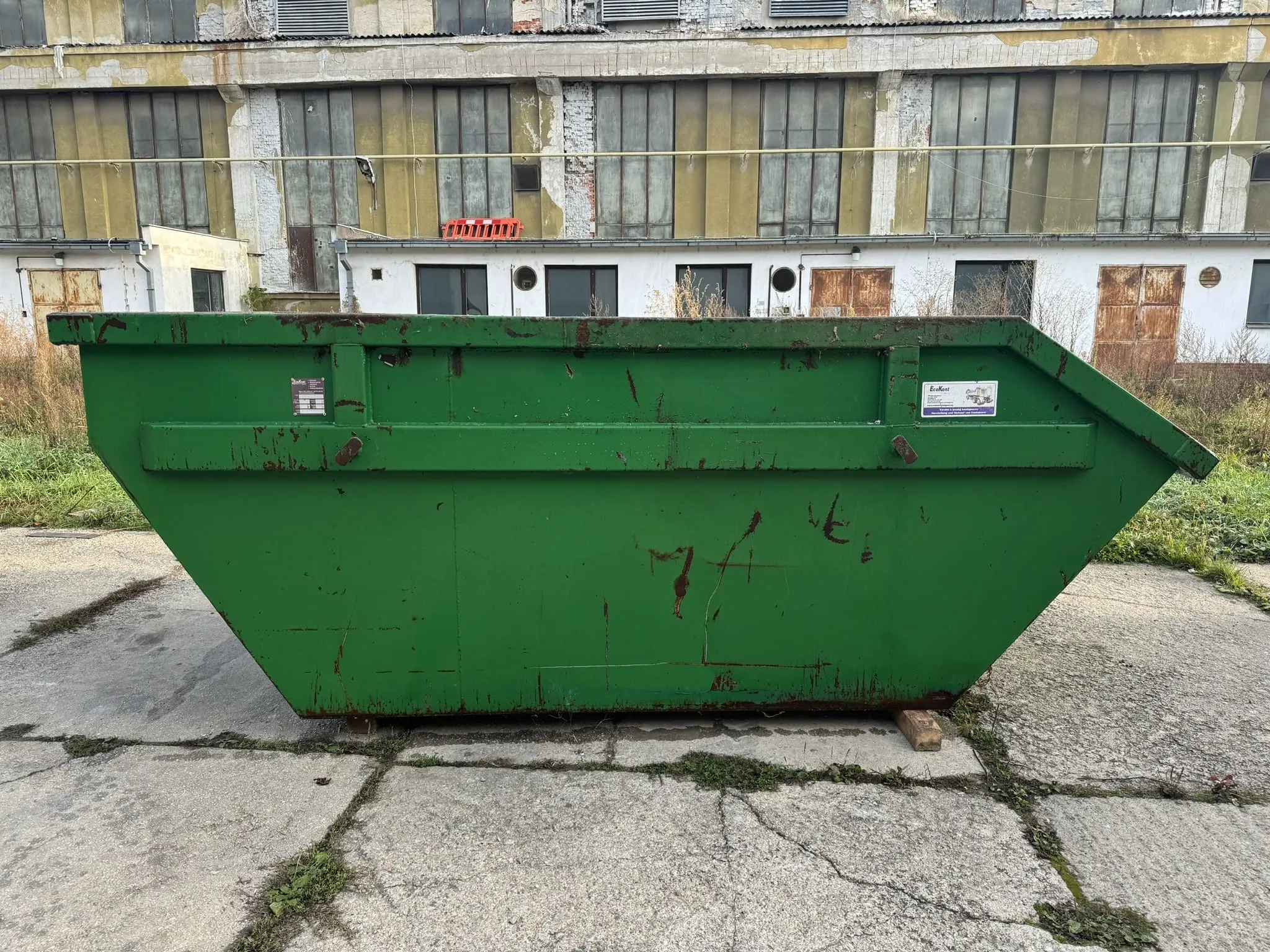
For containers with worn or damaged coating, renovation can restore anticorrosion protection and appearance — including recoating in new corporate colours or harmonising shades across a fleet. The aim is to keep the container in operation, not to buy a new unit if it still makes technical sense.
For some container renovations, coating alone is not enough. Damaged areas may first be repaired locally and only then prepared for a new coating system. The scope of repairs depends on container damage and whether the part still makes sense to retain.
Galvanised structures
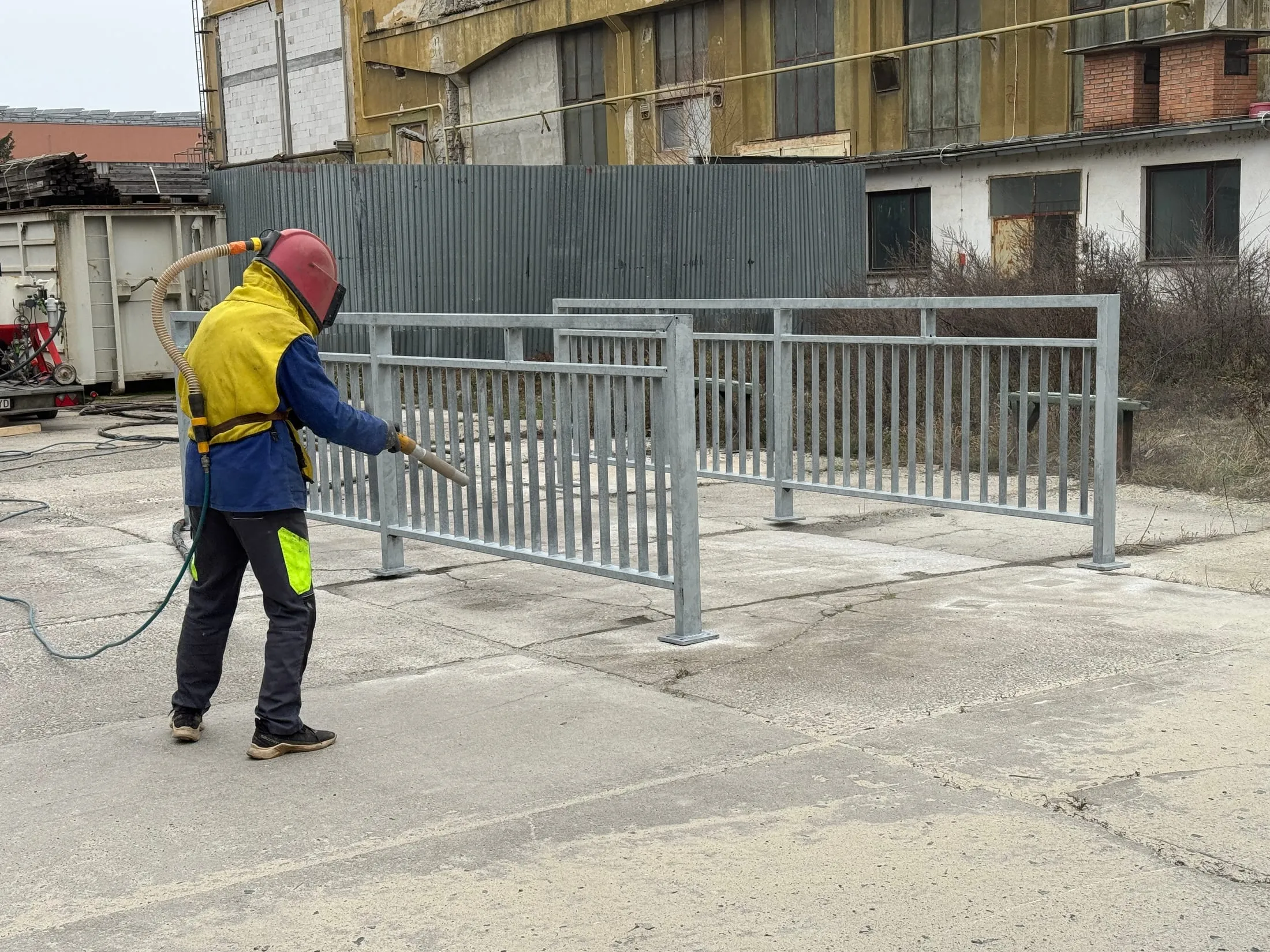
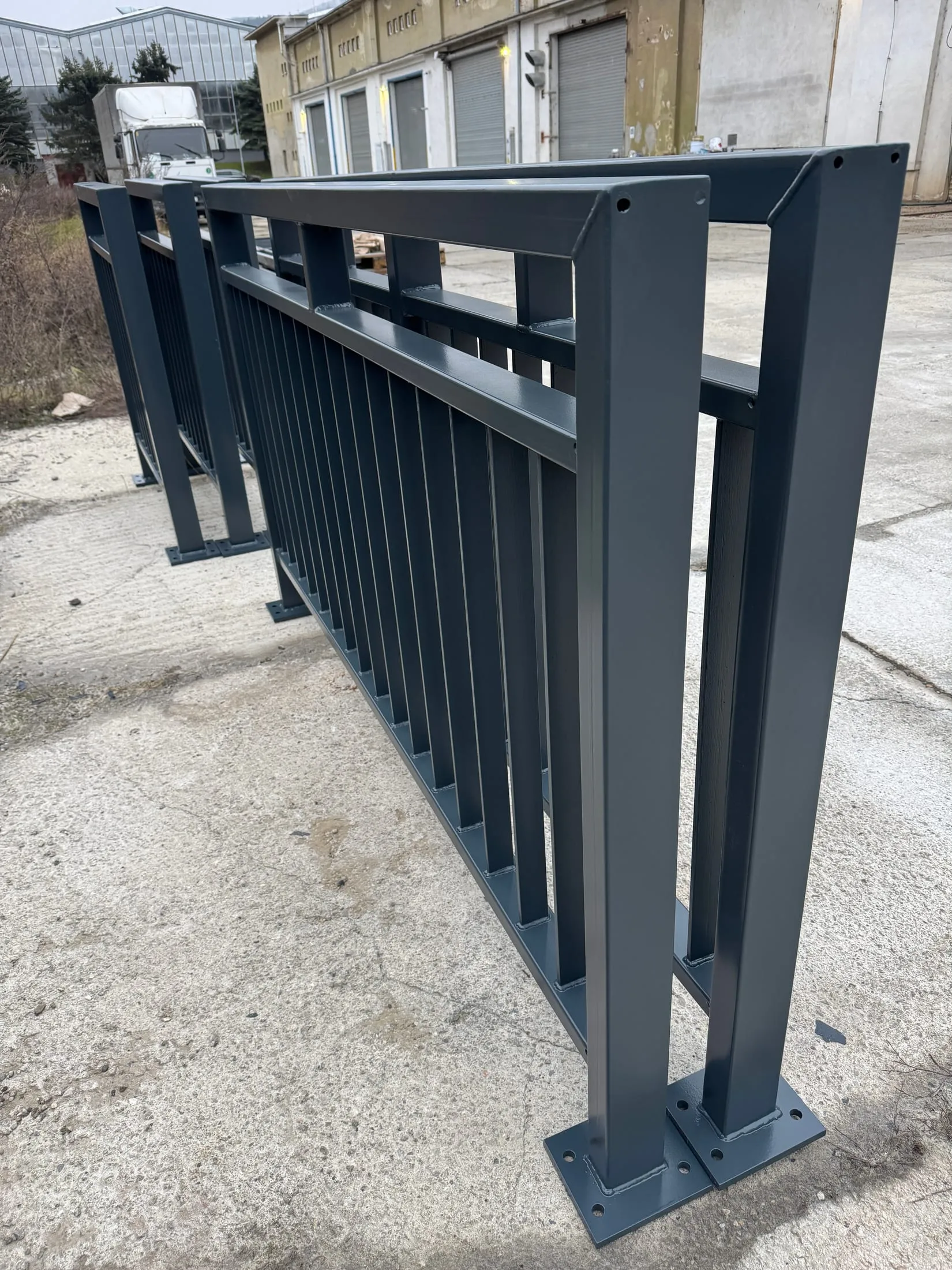
On hot-dip galvanised parts, this is restoration of the coating system on a galvanised substrate — not renovation of the zinc itself. In one project, the original coating was applied by another supplier and failed: an adhesion test returned an unsatisfactory result and the coating peeled off.
The problem was an incorrect coating system for galvanised substrate, unsuitable surface preparation and failure to remove the passivation layer as the part condition required. Respraying alone would not have solved the problem. After removing the failed coating, proper preparation of the galvanised substrate and application of a compatible coating system for galvanised steel, protection and railing appearance were restored.
Visible elements
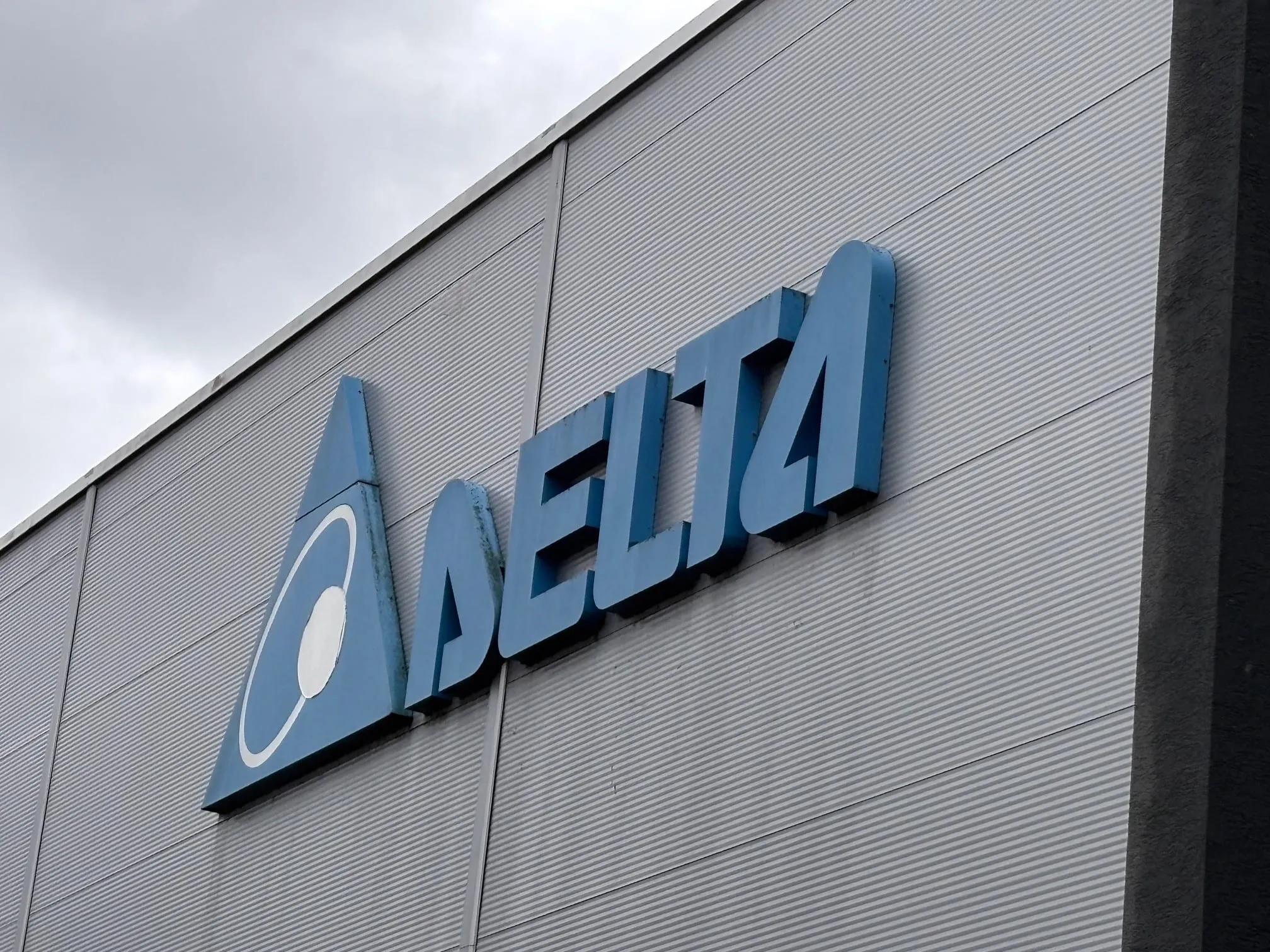
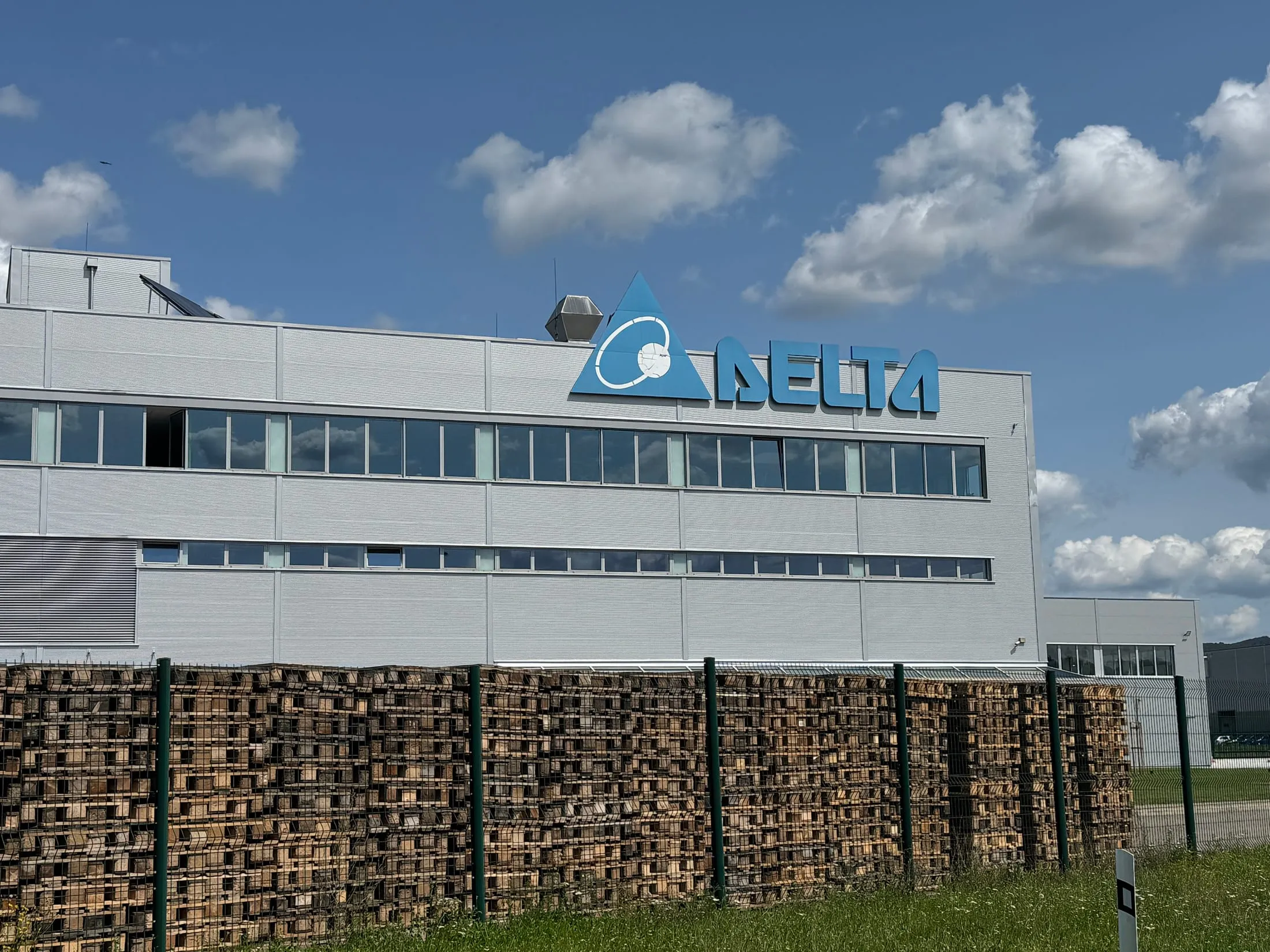
For logos, signage, facade elements or other visible parts, the coating often also has a representative function. The aim may be colour restoration, appearance harmonisation or surface protection restoration — according to coating condition and required outcome.
Even for visible elements, the condition of the original coating and substrate is decisive — not just the final shade. If damage is addressed only by topcoat respraying without assessing adhesion and preparation, the result may not last.
Details for assessment
Photos and basic data serve for initial orientation — not for a final technical decision without inspection of the actual part condition. Based on the details provided, we assess whether renovation makes sense and what scope of intervention will be required.
Send an overall view of the part and separate details of corrosion, peeling, cracks or damaged old coating.
Basic dimensions, quantity and approximate weight if known help — they affect handling and transport planning.
State whether the part will be used indoors, outdoors or in a more demanding industrial environment.
Briefly describe whether it is corrosion, peeling, damaged coating, old non-adherent coating or visual degradation.
State whether the aim is anticorrosion protection, visual restoration, corporate colour, RAL/NCS or procedure per project.
State the deadline and whether the part can be delivered to the facility in Dubnica nad Váhom, or whether on-site execution must be assessed.
Next step
Send photos, dimensions and a description of the damage. We will assess whether coating renovation makes sense and what scope of intervention will be required.
Send details for assessment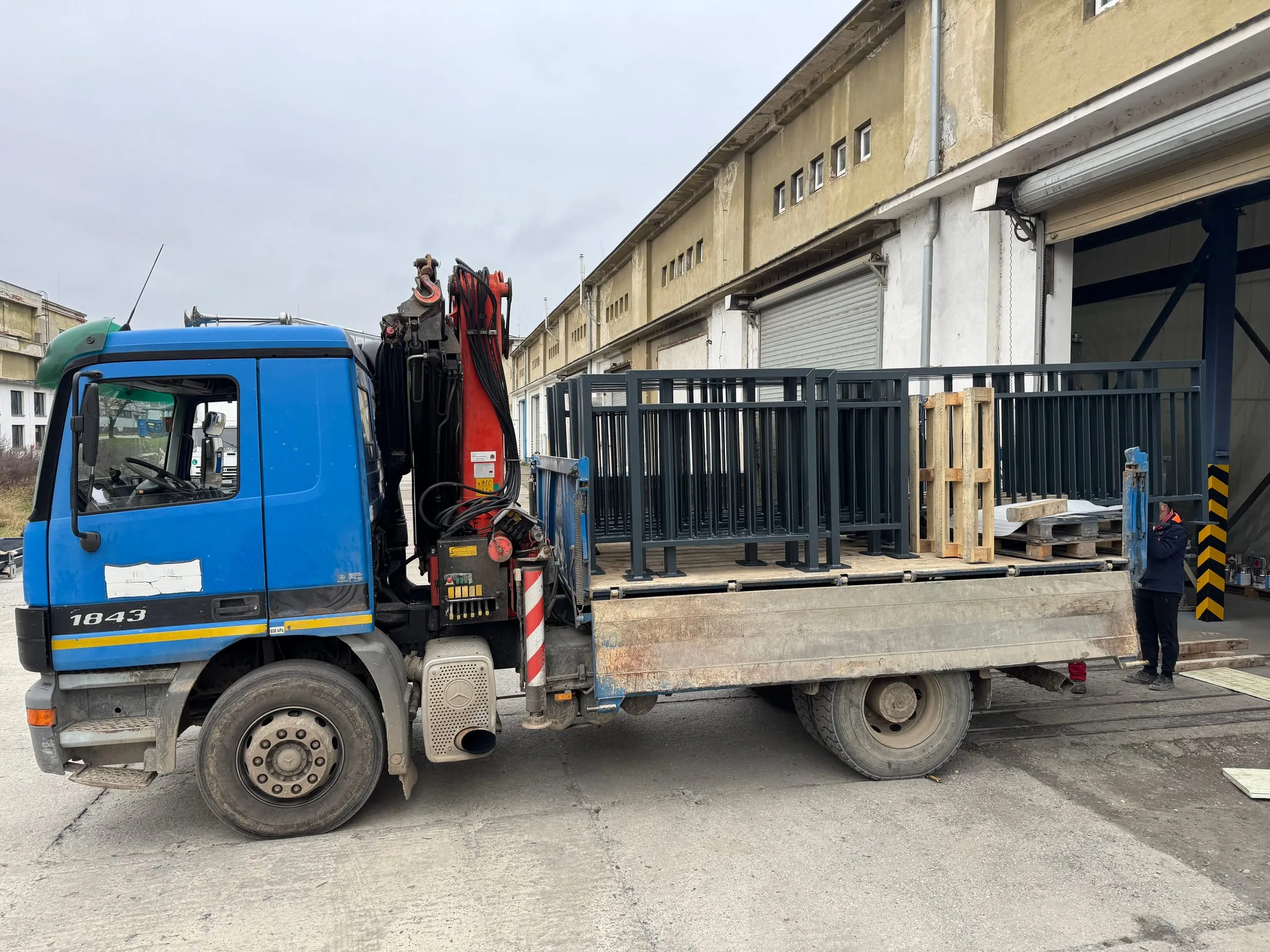
Technical support
An overview of LAKES services in surface protection is available on theservices page.
When the part is still suitable for continued use and the problem lies mainly in an old, damaged or non-adherent coating. Suitability is assessed by the extent of damage and substrate condition — not by part type.
No. New coating addresses a new or prepared part from the start. Renovation begins with assessment of the existing coating and substrate and restoration of the system on the existing part.
On galvanised substrates, adhesion, proper preparation of the galvanised surface and a compatible coating system for galvanised steel are decisive. If these conditions are not met, the new coating can fail — even when it looks correct immediately after application.
Photos of the whole part and damage details, dimensions, quantity, service environment, required outcome, deadline and information on whether the part can be delivered to the facility help most.