
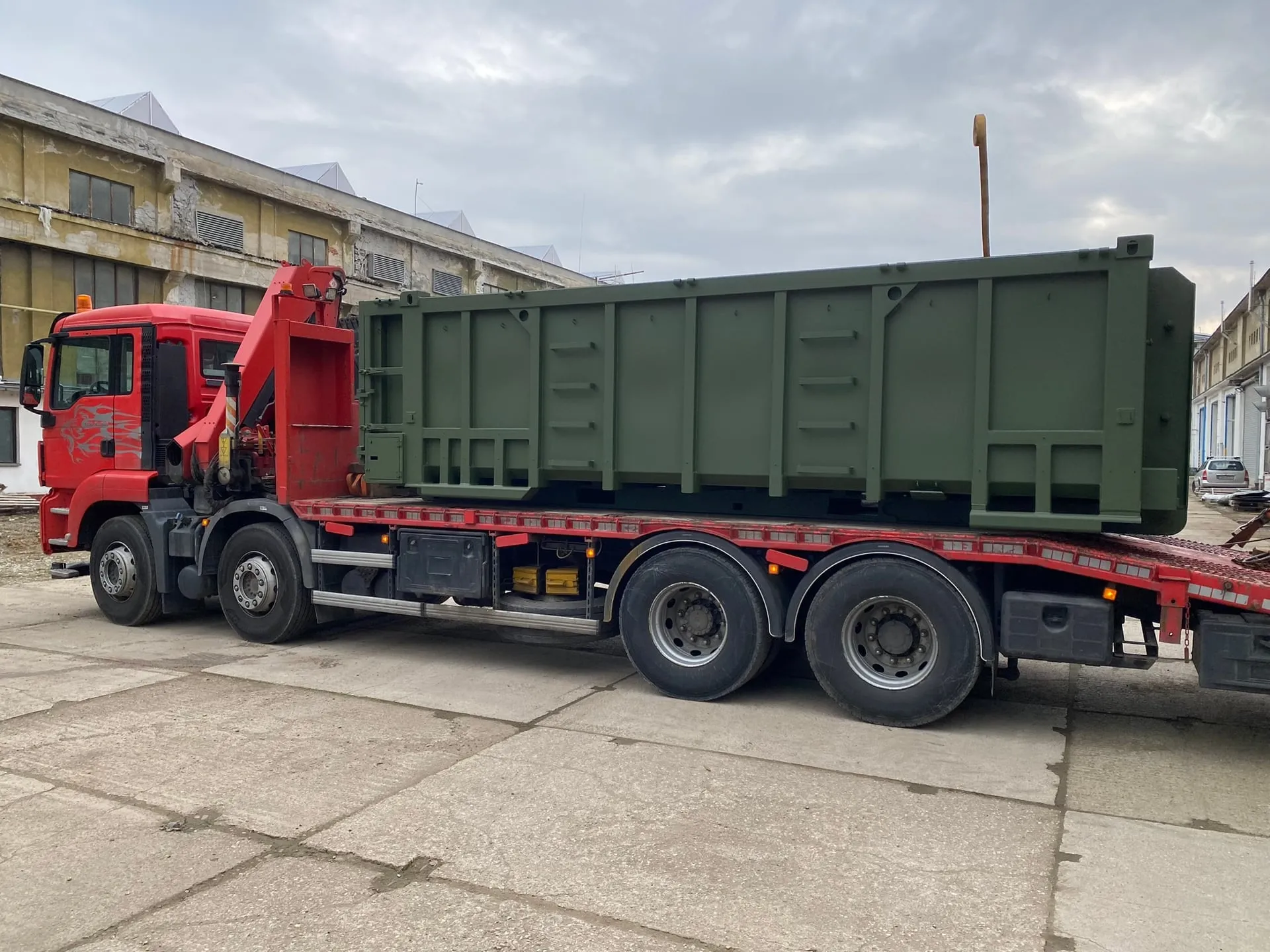
Industrial wet coating of steel parts and structures
Industrial Coating of Steel Structures
We coat steel parts and structures with emphasis on corrosion protection — surface preparation, suitable coating system and result control. Transportable parts are processed at the facility; installed structures are assessed for on-site coating.
- Maximum length
- 15 m
- Handling
- up to 10 t
- Maximum height
- 5 m
- Facility area
- 1 500 m²
- Critical areasEdges, welds and corners
- Final inspectionBasic visual inspection; DFT and further checks per project
- Industrial wet coating is a multi-layer coating system for metal parts and structures, mainly steel — for corrosion protection according to service environment and project.
- At the LAKES facility we process parts up to 15 m, with handling up to 10 t, up to 5 m height and on 1 500 m² floor area.
- Surface preparation, system build-up and critical areas — edges, welds and corners — decide the outcome.
- The coating system is chosen according to the environment where the part will operate and project requirements.
- Every part leaves after basic final inspection; we add DFT measurement and further checks per project or agreement.
Service suitability
When wet coating is the right choice
Wet coating makes sense when surface preparation, suitable system per service environment, corrosion protection and result control matter — not just appearance. For transportable parts we work at the facility with full handling and controlled environment. Installed or non-transportable structures are handled by on-site coating — more in the section At the facility or on site.
For which orders
New parts, welded structures, frames, subsystems and steel assemblies — one-off and repeat series.
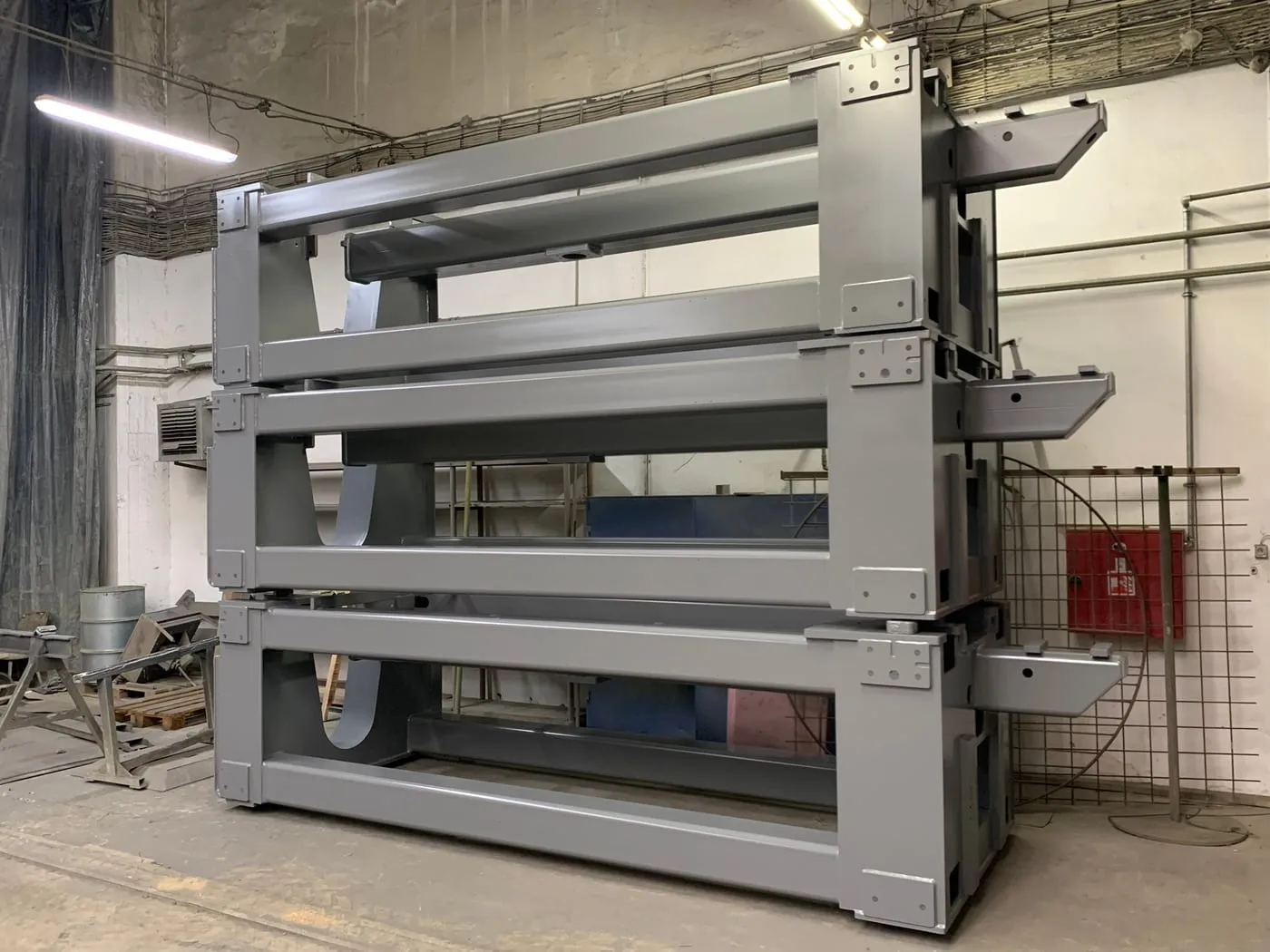
What most affects the coating result
The greatest influence on the result is not the final coat but surface readiness and critical areas before coating application. System choice per project and the sequence of steps determine the part condition at handover.
Surface preparation
Surface preparation determines how the system will perform. If the substrate is not properly prepared, the entire result is weakened regardless of the system applied on top.
Edges, welds and corners
Edges, welds and corners treba riešiť vedome, pretože práve na týchto miestach sa problémy ukazujú skôr než na veľkých plochách.
System per project
The system is chosen per service environment and project requirements. For norm-based projects we follow the ISO 12944 framework.
Environment and corrosion protection
The coating system must match the environment where the part will operate. At handover the surface may look good, but true corrosion protection quality shows in service. When choosing a supplier, preparation, system, application and control matter — not just the lowest price or first visual impression.
Project example
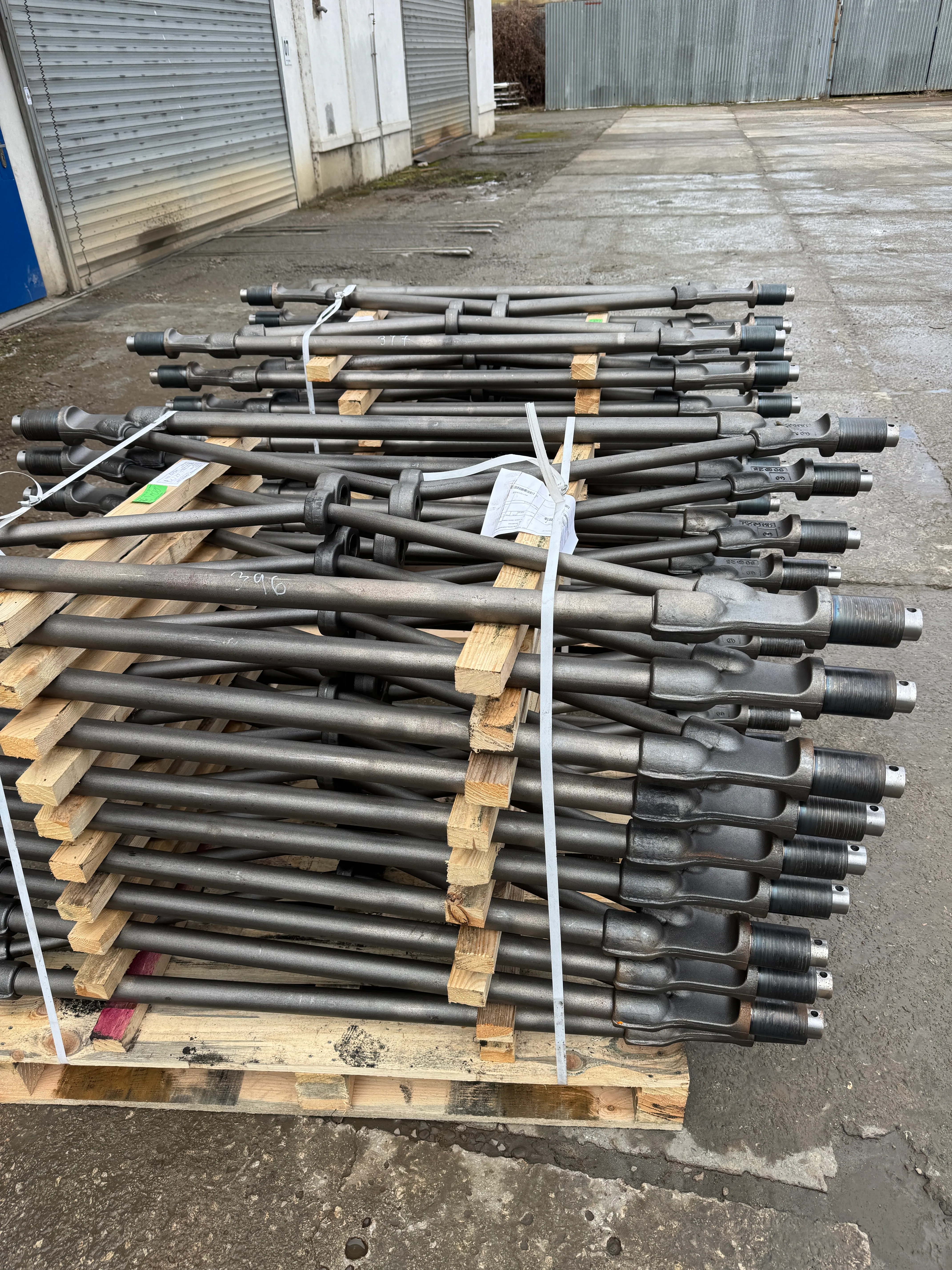
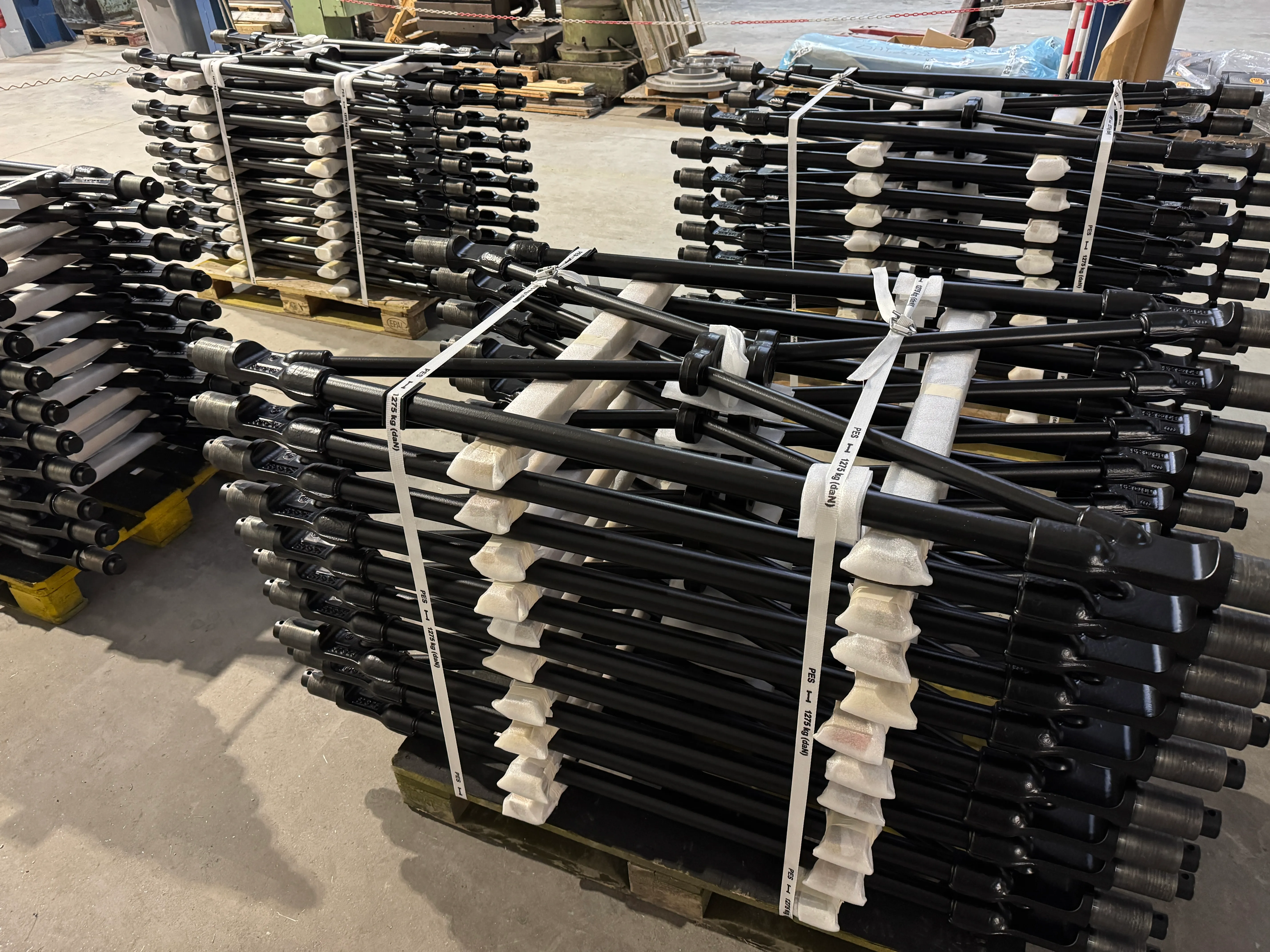
Steel spreader bars before and after coating system application.
How an order runs from assessment to dispatch
From enquiry through surface preparation and system application to inspection and dispatch — each step follows the previous one.
Initial enquiry information
The customer sends a description of the part or structure, dimensions, service environment and available photos or drawings. We assess the next steps based on this.
Assessment and system proposal
We assess the part, service environment and project requirements and propose a suitable coating system. Execution is at the facility or we assess on-site coating. We flag missing inputs and prepare a costing framework.
Surface preparation
We prepare the surface by degreasing, cleaning and mechanical preparation according to part condition. If the order requires a higher preparation grade, we also perform abrasive blasting, commonly called sandblasting.
Coating system selection and application
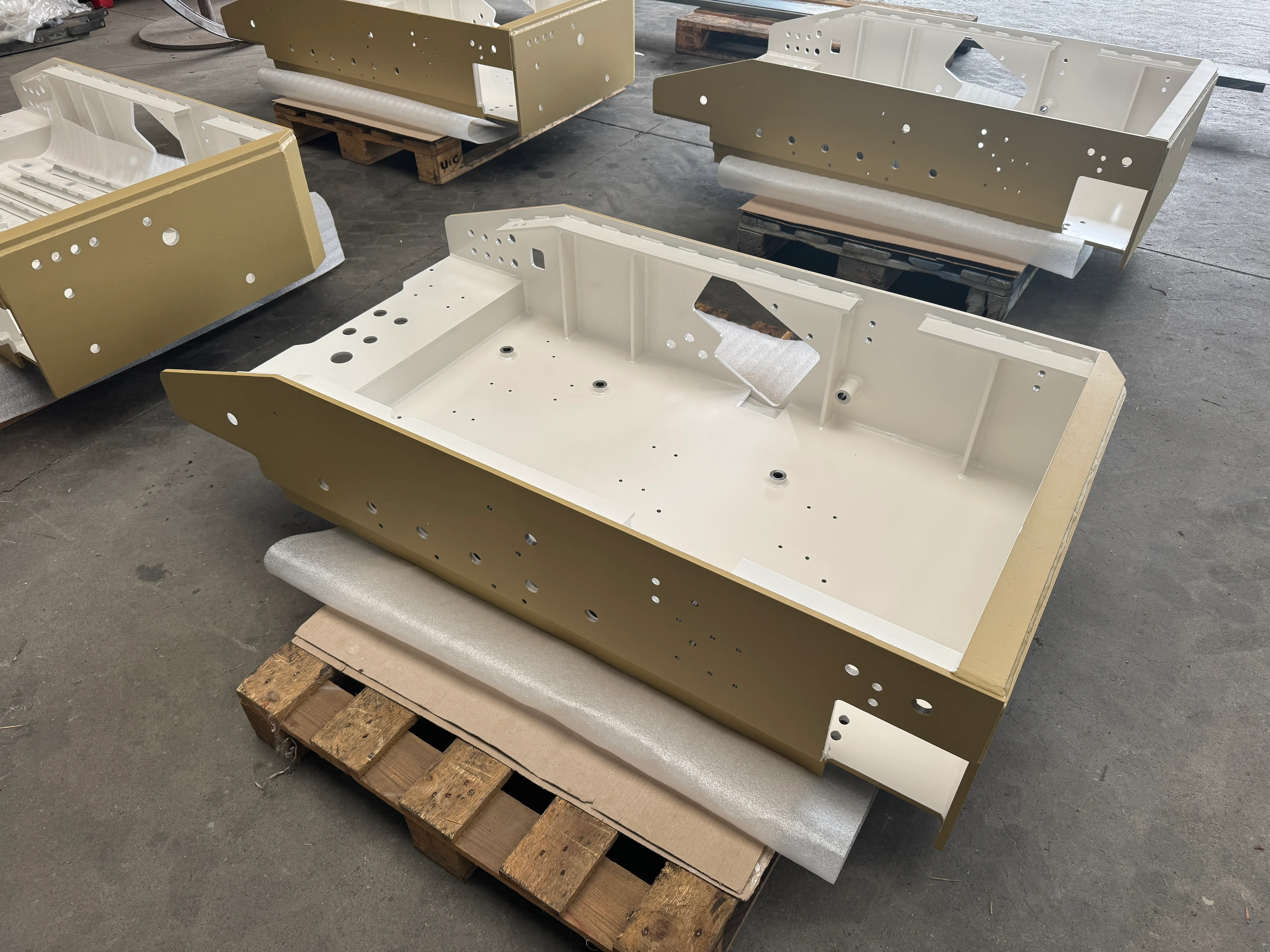
The system consists of individual layers — primer, intermediate coats and topcoat — per environment and project. Per specification this may include epoxy, polyurethane or acrylic systems. We apply coating on prepared surface following the technological sequence of layers.
Quality control
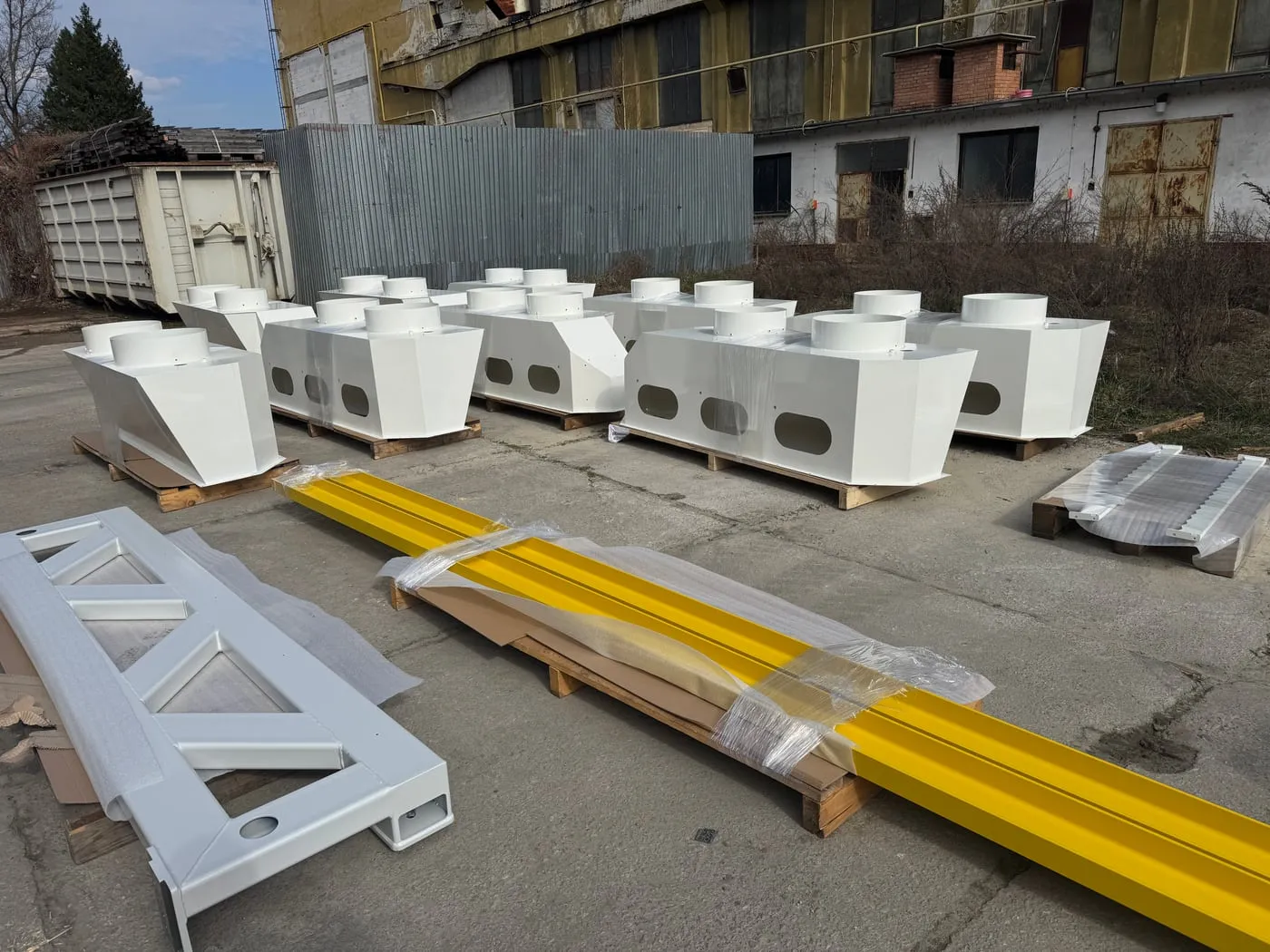
Basic final inspection of surface and critical areas is standard. We add DFT measurement, further checks, tests or documentation per project, agreement or order scope.
Packing and dispatch
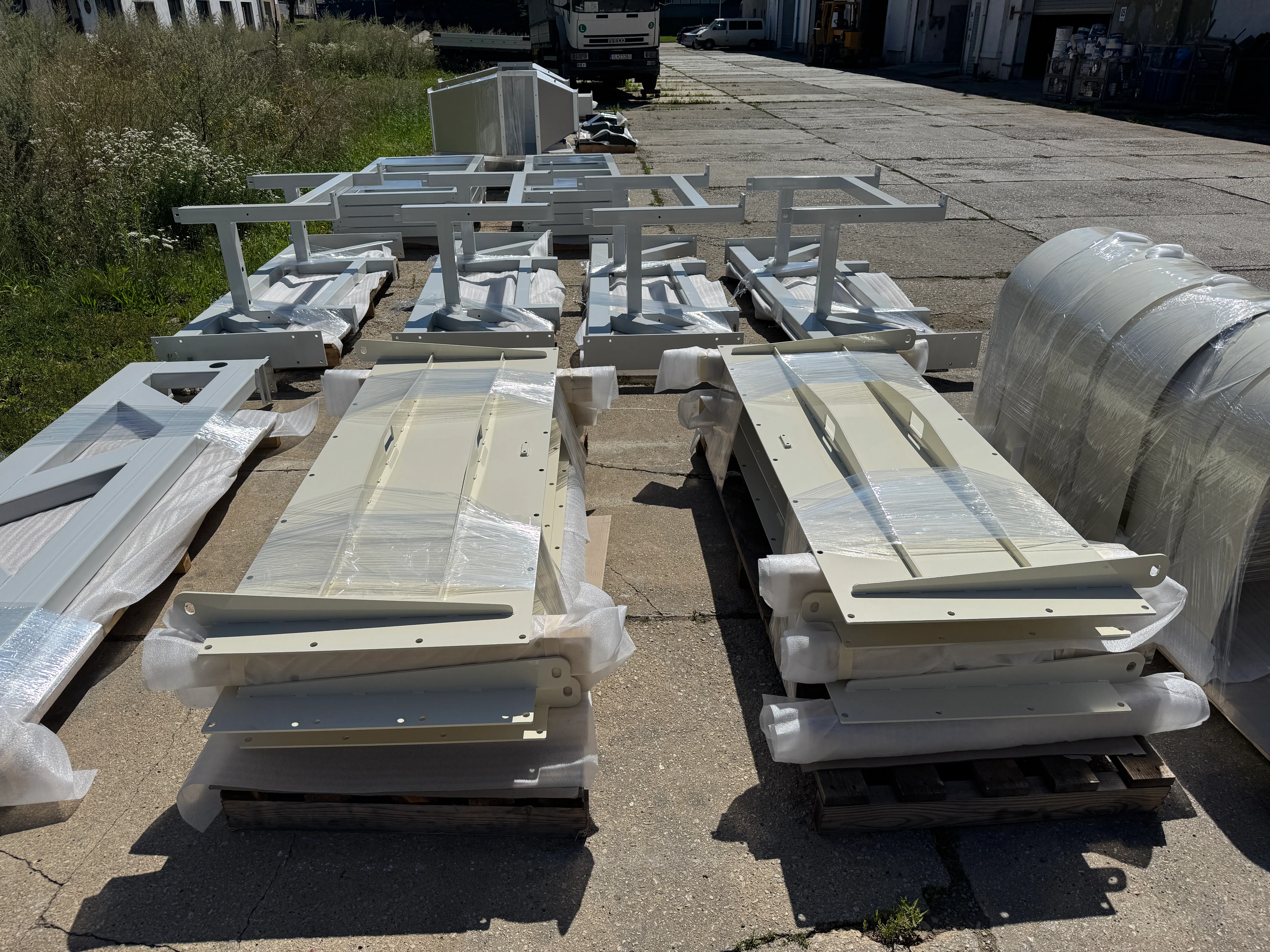
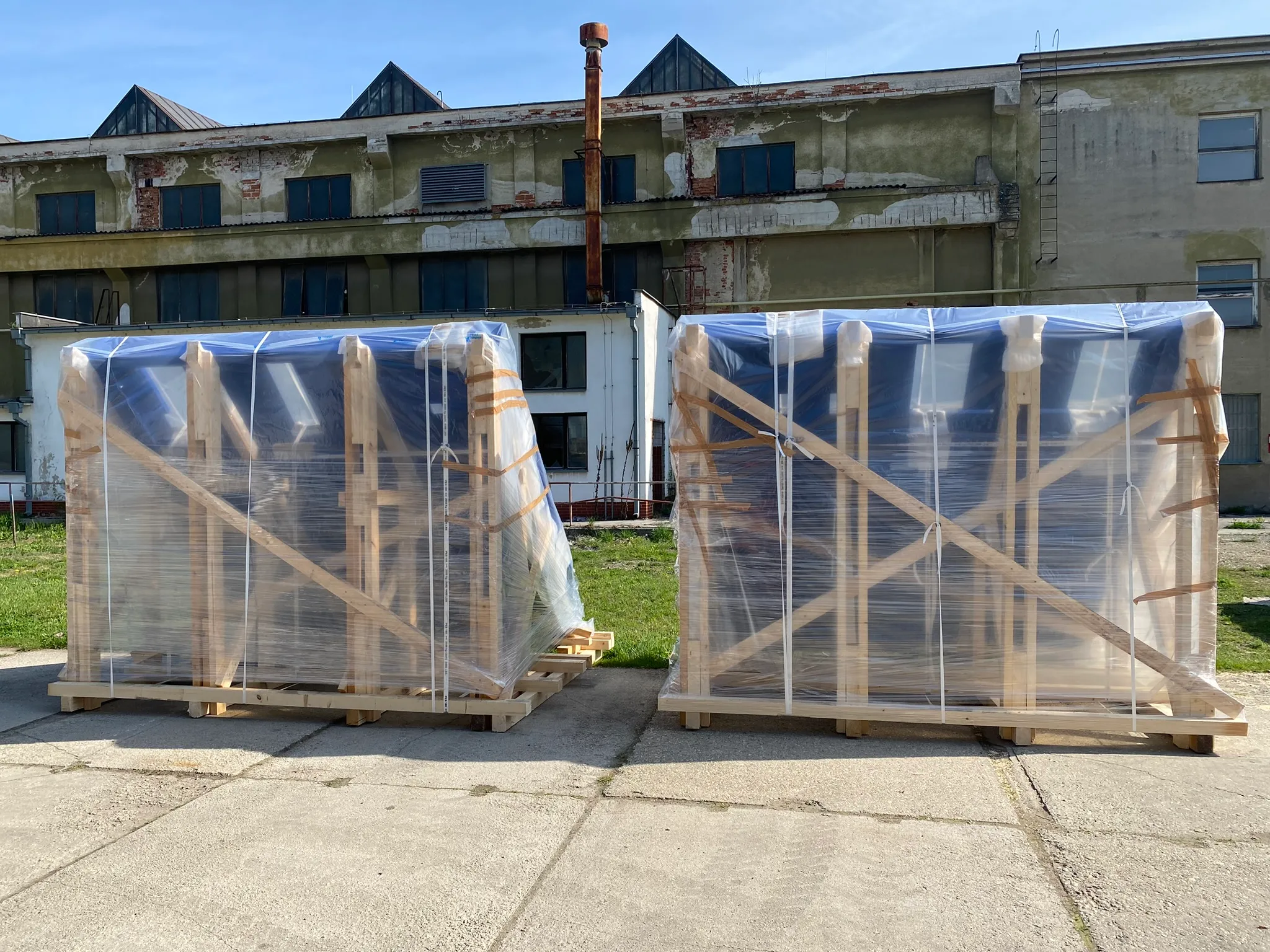
After inspection we prepare the part for handover — surface protection, packing and preparation for transport or collection per order scope.
Corrosion protection in practice
Corrosion protection is not created by one paint layer. Surface preparation, coating system build-up and the environment where the part will operate decide the outcome. A multi-layer system may include primer, intermediate coat and topcoat — per specification e.g. epoxy, polyurethane or acrylic systems. For norm-based projects corrosion environment categories per ISO 12944 may be used, e.g. C1–C5 / CX — as an orientation framework, not a guarantee of a specific class.
Outputs from the facility
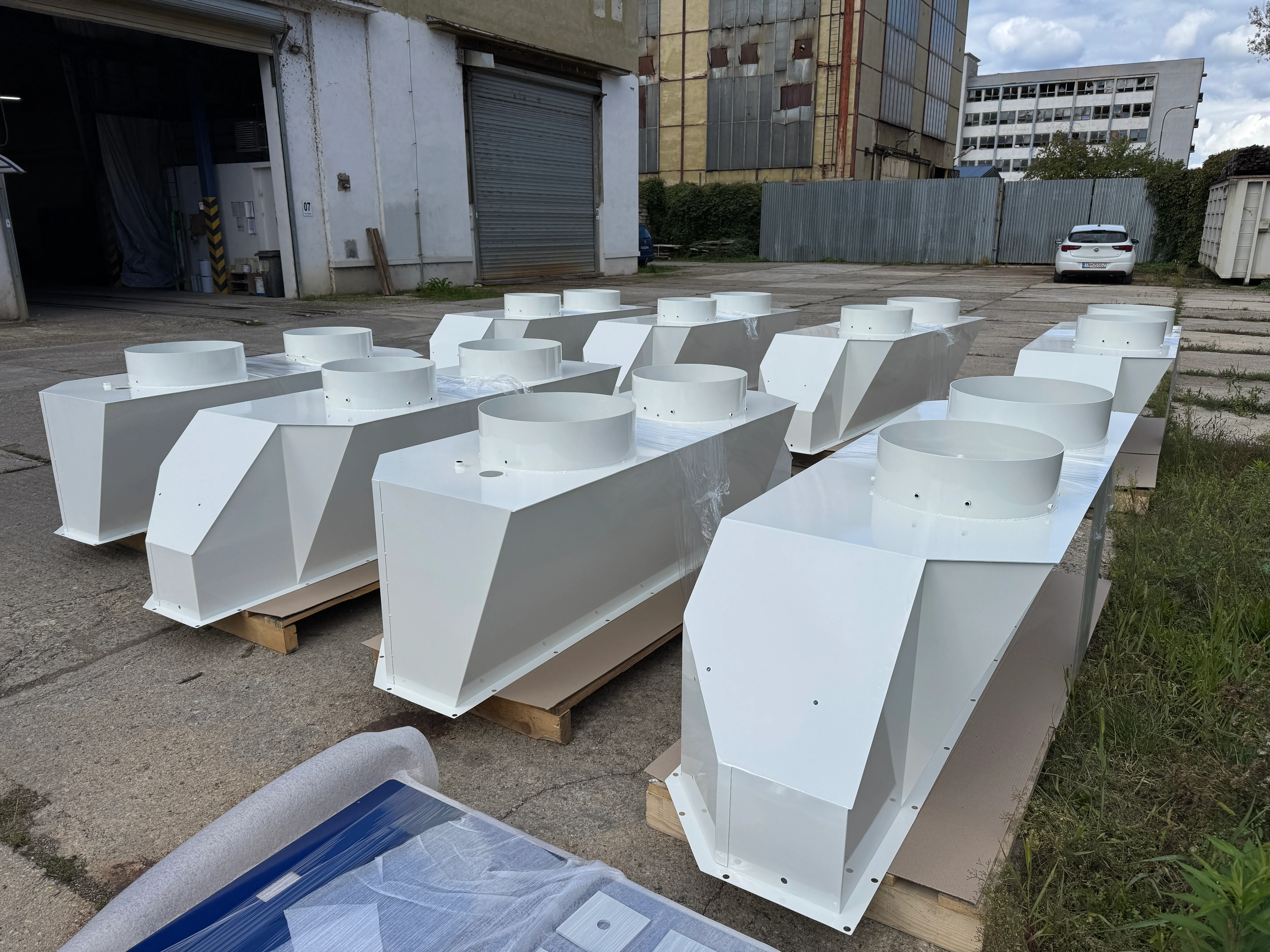
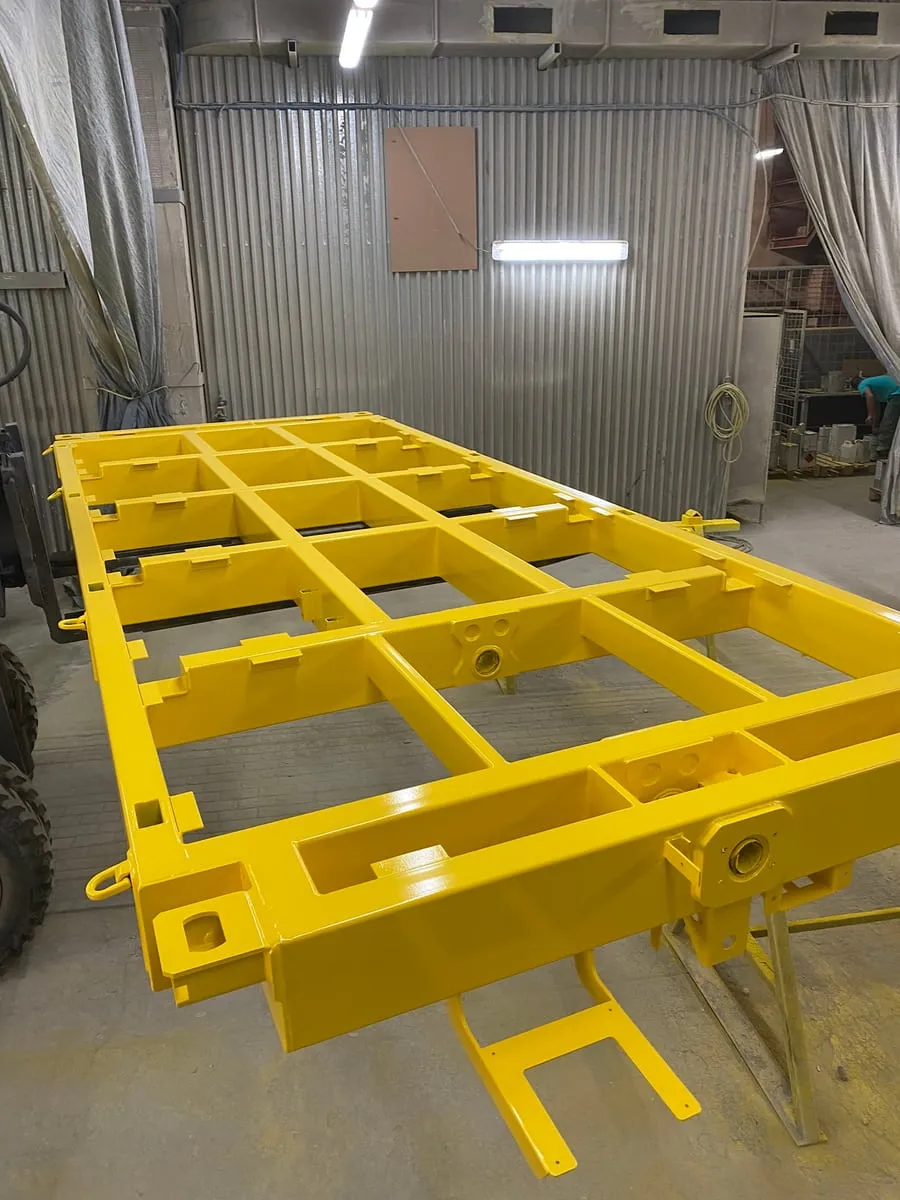
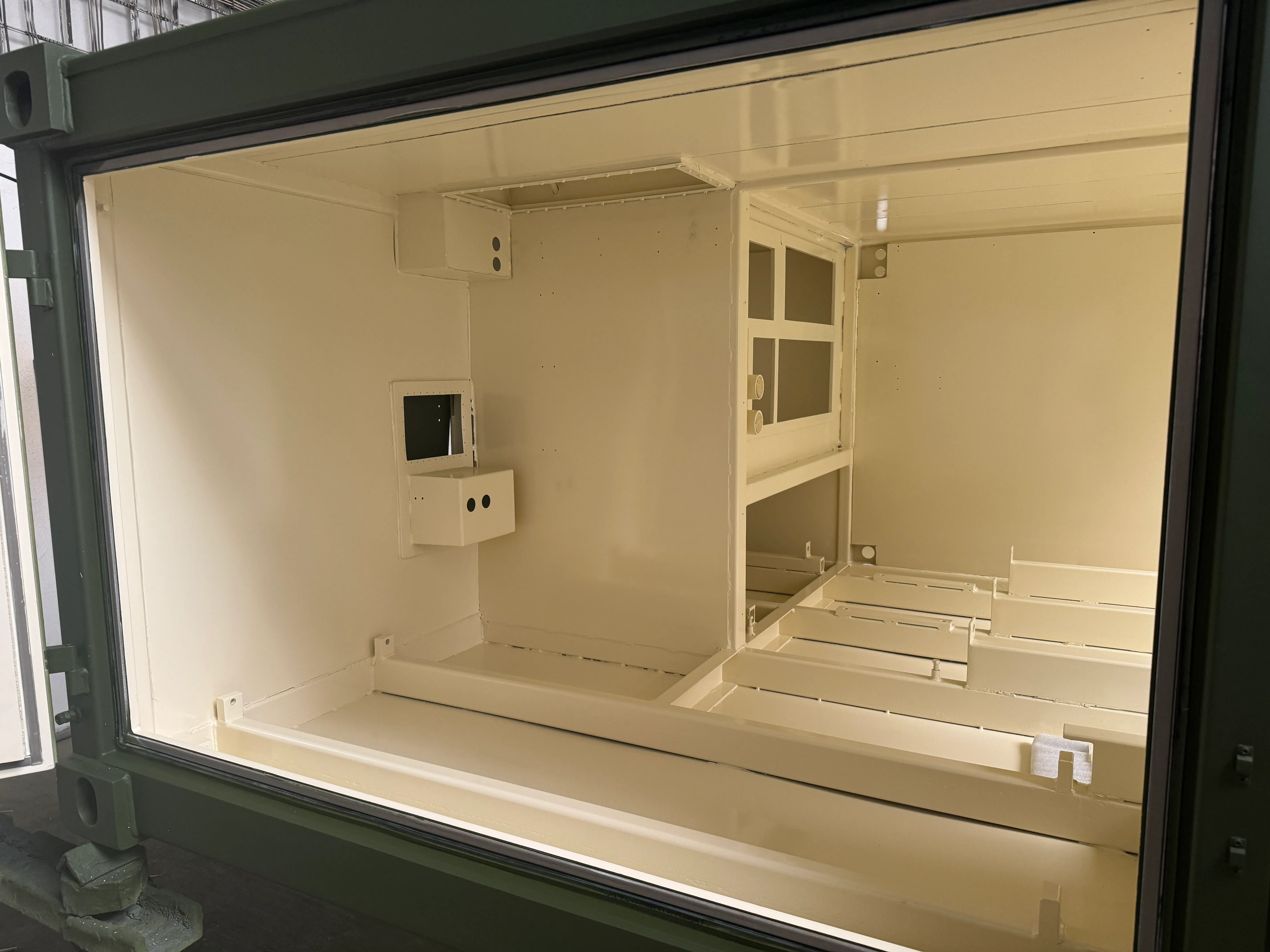
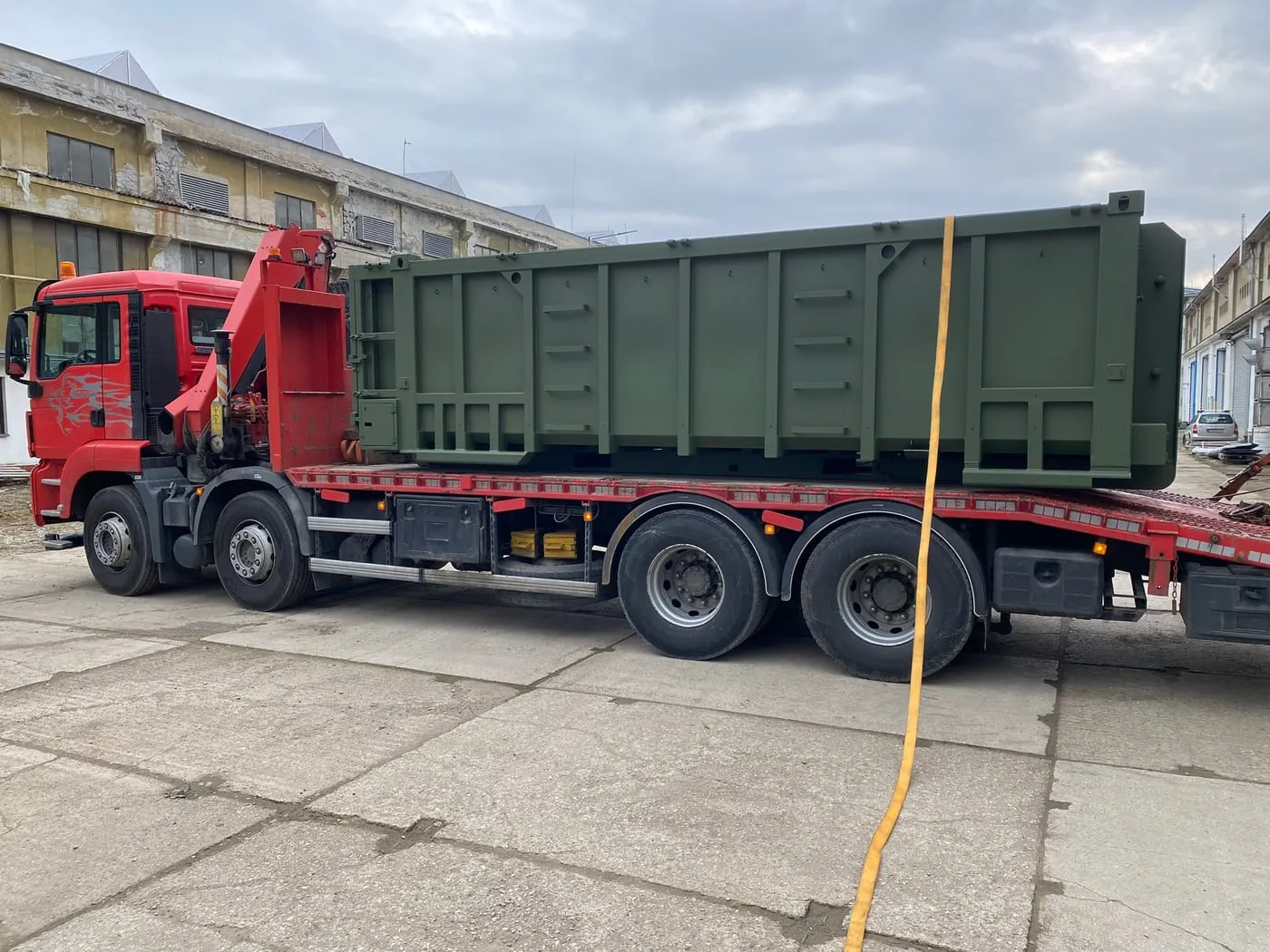
Photos show real parts after coating system application at the LAKES facility. More order types are in references.
Quality control is part of the service
Every part leaves after final inspection. It is not enough that the surface looks good at handover — system, preparation, application and control decide the outcome.
Scope of inspection
The baseline is final visual inspection of surface and critical areas. Per project we add DFT measurement, further checks, tests or documentation.
DFT measurement
If project or agreement requires it, we measure dry film thickness (DFT) as part of final inspection.
What this means for the client
When choosing a supplier, look not only at the lowest price or first visual impression but also at surface preparation, coating system and result control. Less uncertainty at acceptance means lower risk that problems appear only in service.
Documentation per project
Per project requirements, agreement or order scope we can add records or protocols for final inspection — not as company certification.
When at the facility and when on site
FacilityWhen the facility makes sense
The facility suits transportable parts and structures where details, control and safe handling matter. Facility parameters are on the page Dubnica nad Váhom Facility.
On siteWhen to address on-site coating
Mobile coating suits structures installed on site or non-transportable assemblies that cannot be moved practically. For renewal of existing coating we assess coating renovation first.
What we need for assessment and quote
For assessment and costing we need basic data about the part, environment and requirements. Based on these we assess facility execution suitability, recommend next steps and prepare quote inputs.
Part or structure type
Description of what is to be coated
Dimensions
Length, width, height — or drawing
Approximate weight
For assessing handling and facility capacity
Service environment
Where the part or structure will be deployed
Timeline
Required execution or delivery time
Photos or drawings
Speed up assessment and refine the quote
Required appearance or shade
Colour, shade or surface requirement — if defined
Order context
New part, repeat series, renovation of existing coating or structure installed on site.
Frequently asked questions
Can you also provide surface preparation or blasting?
Yes. Per project requirements we carry out or coordinate surface preparation including abrasive blasting, commonly referred to as sandblasting, so it aligns with subsequent coating.
How do you verify the quality of the result?
Every part undergoes final inspection. The baseline is visual inspection of the surface and critical areas. Per project we add DFT measurement, further checks, tests or documentation.
Do you work according to ISO 12944?
For norm-based projects we follow the principles of ISO 12944 and configure the system per specification and service environment.
When at the facility and when on-site coating?
We process transportable parts and structures at the LAKES facility, where surface preparation, handling and result control matter. Structures installed on site or non-transportable assemblies are assessed for on-site coating — suitable cases are directed to mobile coating.
What do you need for a quick quote?
Basic data about the part or structure and available photos or drawings help most. Based on these we can define the next step faster and refine the quote.